Mayank Prasoon Tirkey

About / CV

Hi, I am Mayank Prasoon Tirkey, an Exhibition Designer. I like to dabble in different things. A full biography and CV will be added here.

Exhibition Design · 2026

VIOLANCE OFBEAUCRACY

Role

Exhibition and spatial design

Duration

To be added

Focus

To be added

01

Research and understanding the concept

The project begins by examining how bureaucracy produces systems, behaviours and forms of violence through rules, repetition and institutional power.

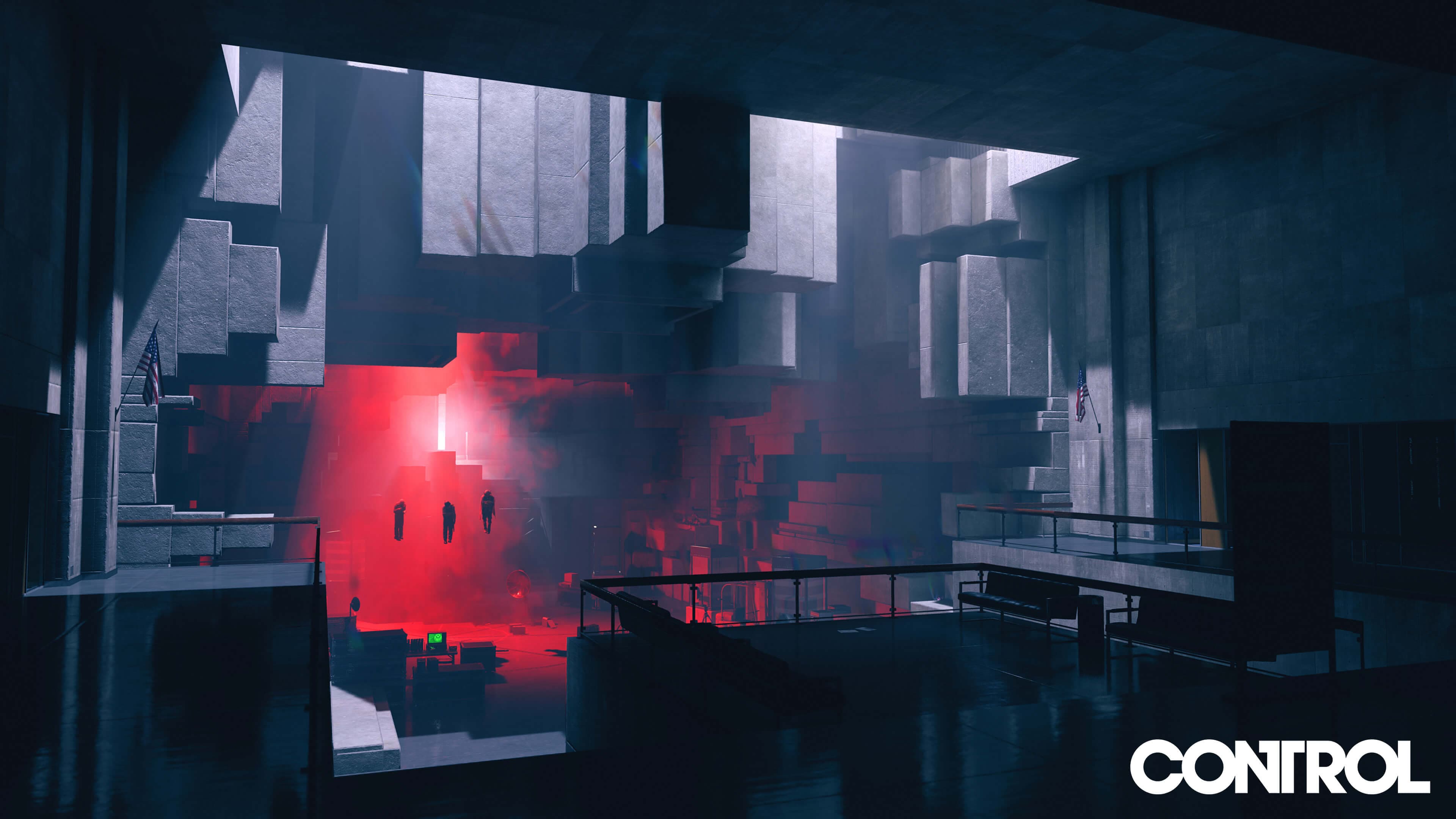
Control room filled with monitoring screens, used as the main visual reference for the research into surveillance and institutional power
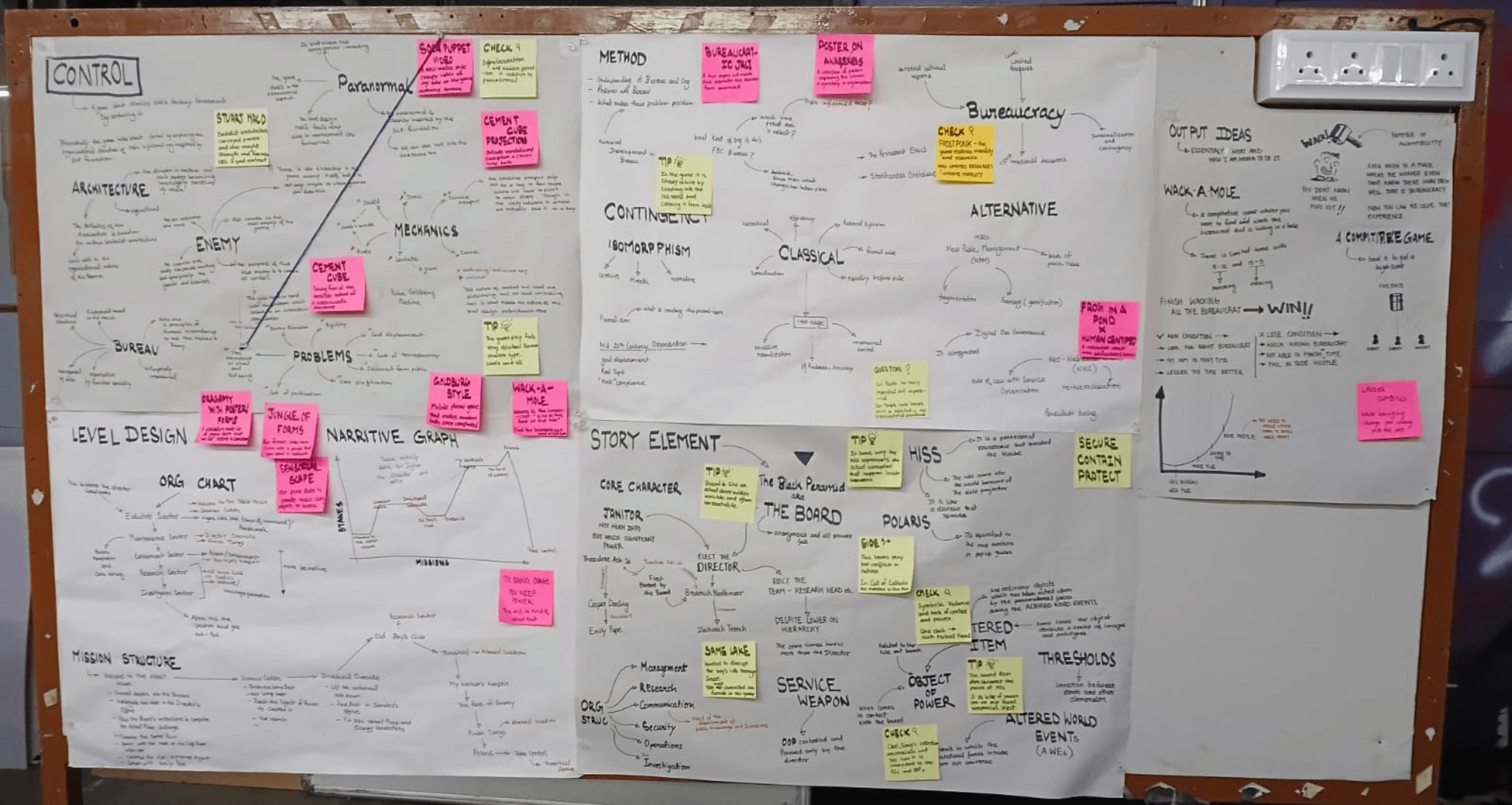
Research wall mapping bureaucracy, control, narrative structure and early output ideas with handwritten notes and sticky notes

Research mapping — connecting bureaucracy, control, narrative and output ideas.

Research notes

How bureaucracy becomes power

  • Marx

    Rules become the goal

    Procedure replaces purpose; people lose agency.

  • Foucault

    Being watched changes us

    Surveillance turns into self-discipline.

  • Acker

    Neutral for whom?

    The ideal worker hides gendered exclusion.

  • Merton / Crozier / Lipsky

    Rules meet real life

    Rigid systems and discretion shape unequal outcomes.

  • Mises / Hayek / Niskanen

    Knowledge gets lost

    Local needs give way to institutional interests.

  • Scott / Graeber

    People become categories

    Administrative order flattens complex lives.

  • Habermas

    Systems replace conversation

    Administrative logic crowds out dialogue.

  • Kafka

    Nobody seems responsible

    Endless procedure creates faceless power.

Possible alternatives: shared power, local knowledge, equity and care. Notes summarize different critiques, not a single agreed position.

01.1

Research Through Design

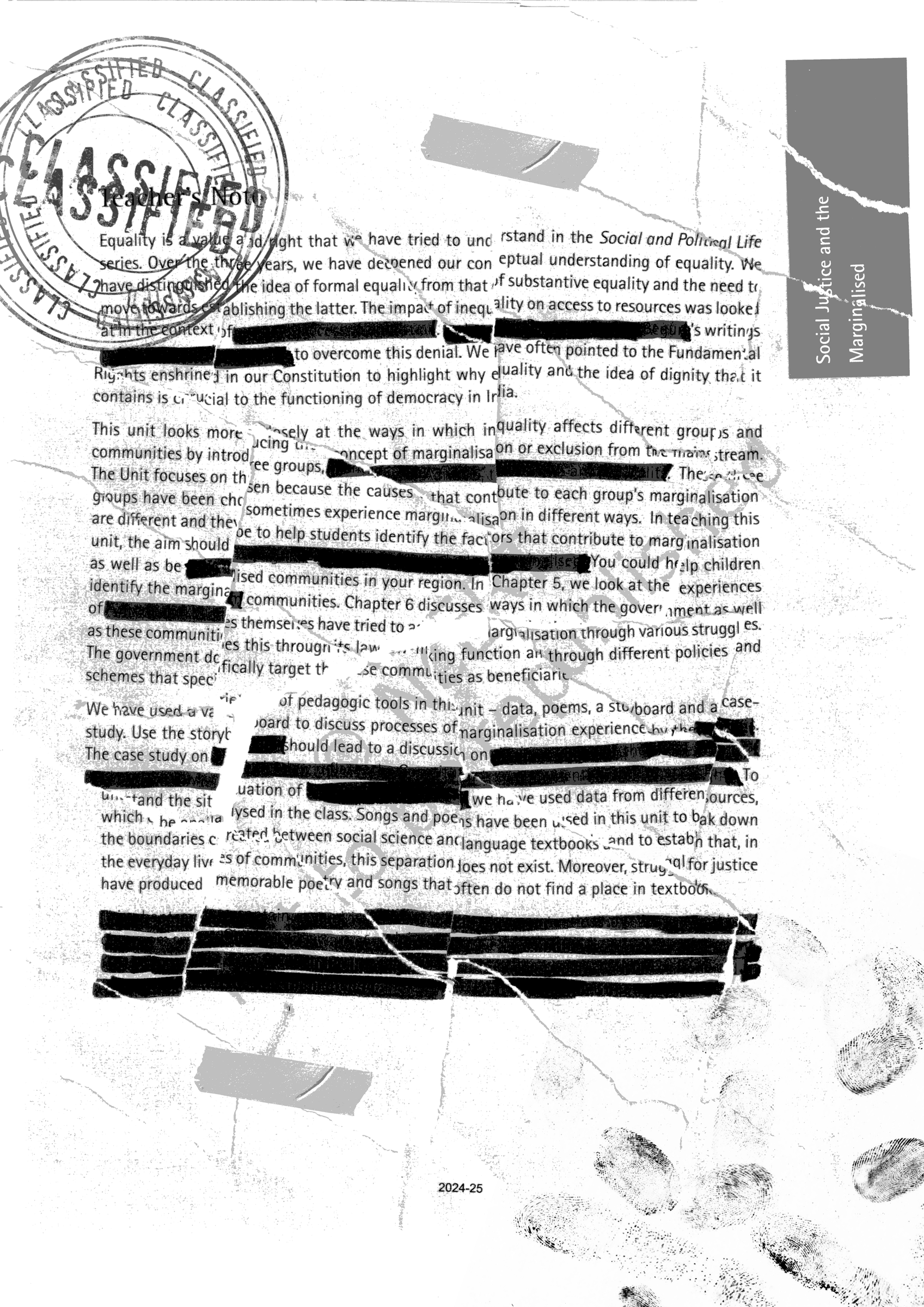
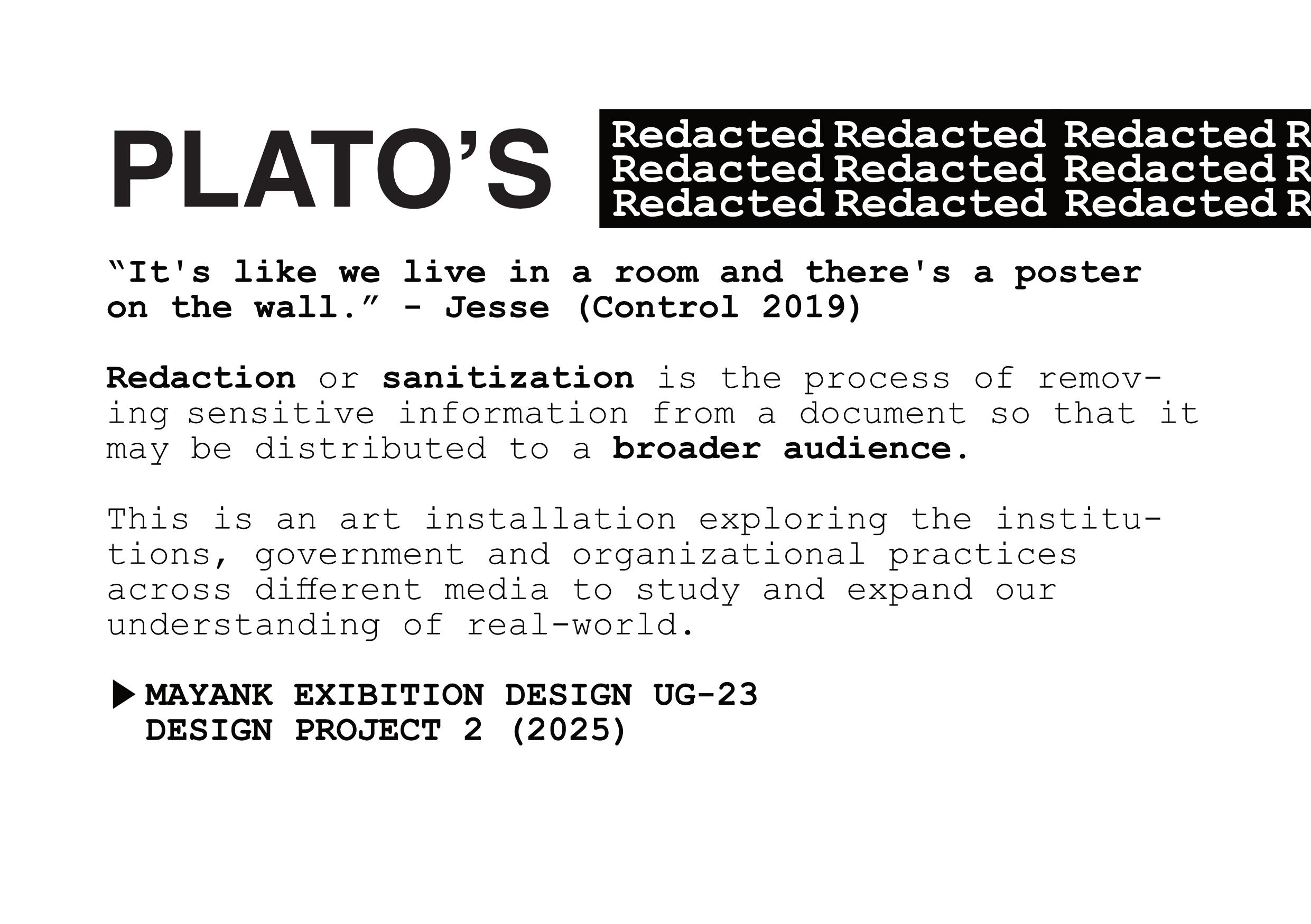
Redaction, collage and curatorial writing become tools for exploring how institutions control information. These experiments translate the research into a visual language of concealment, fragmentation and authority.

Black-and-white collage of a social justice textbook page with redacted passages, classified stamps, torn paper and fingerprints
Poster experiment — redaction, collage and institutional authority.
Curatorial statement for Plato’s Redacted, describing an installation exploring institutions, government and organizational practices through redaction
Curatorial caption — framing the inquiry through redaction.

02

Games as an output

The game turns bureaucratic systems into rules, choices and consequences that can be experienced through play.

Project overview

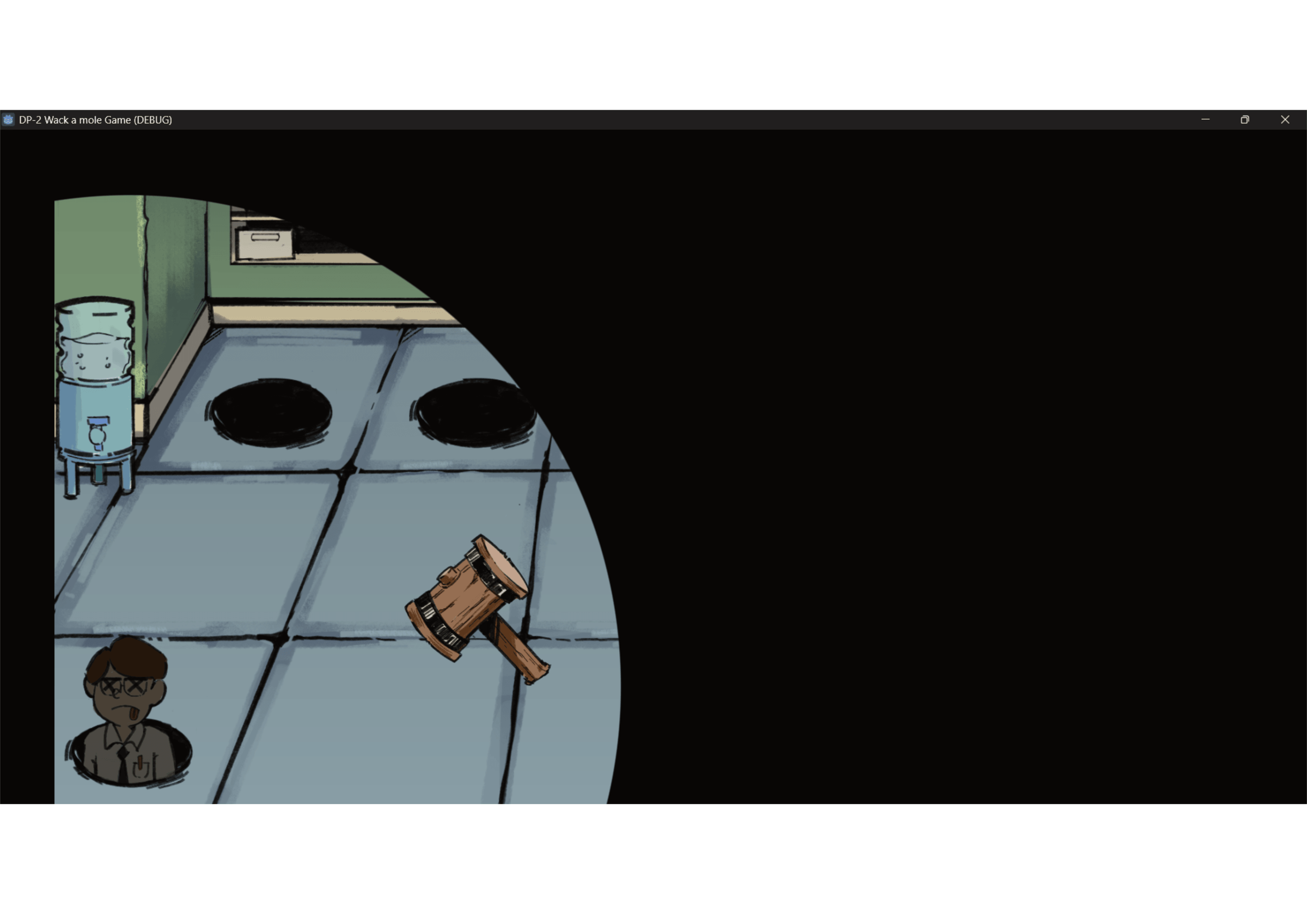
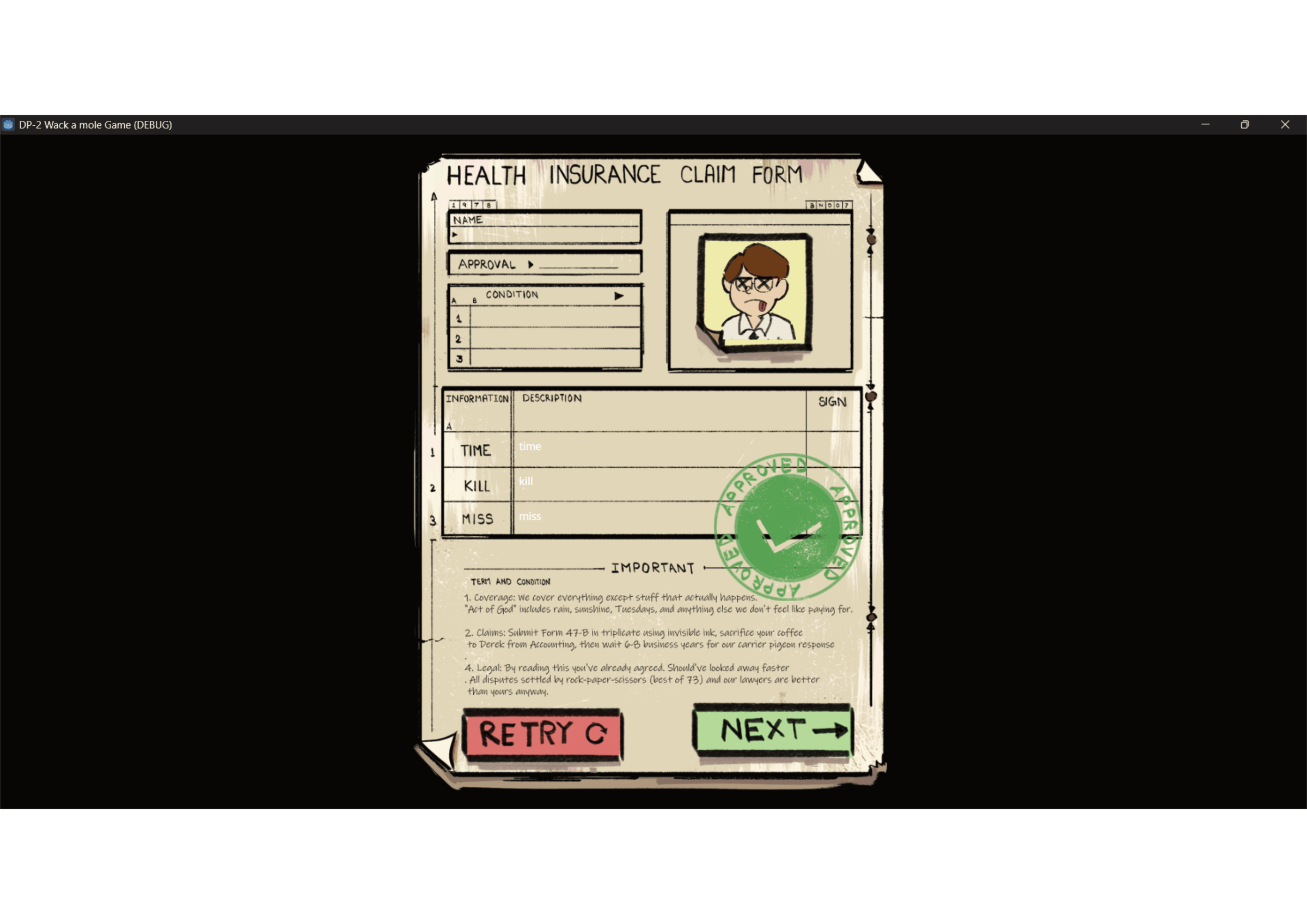
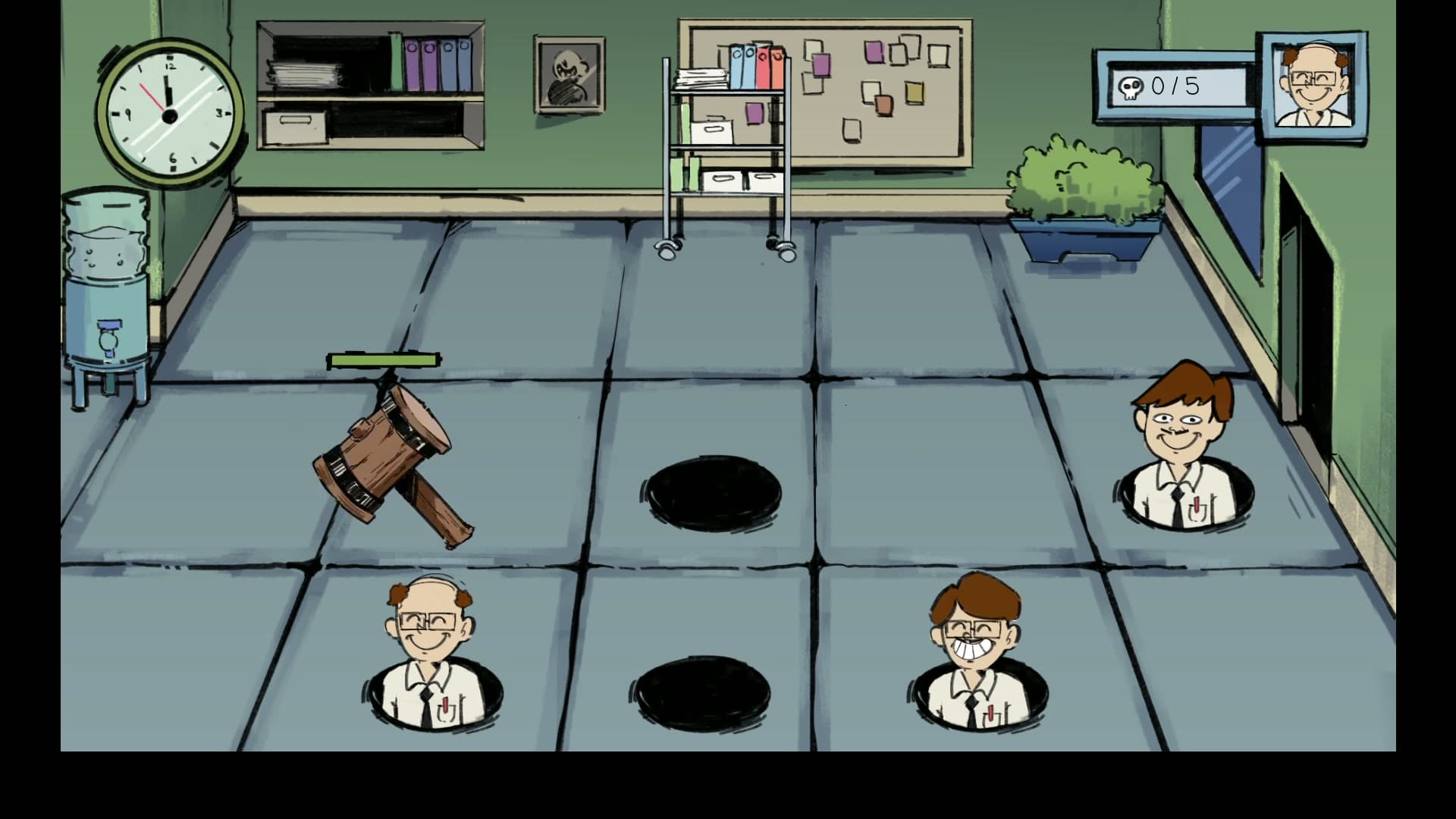
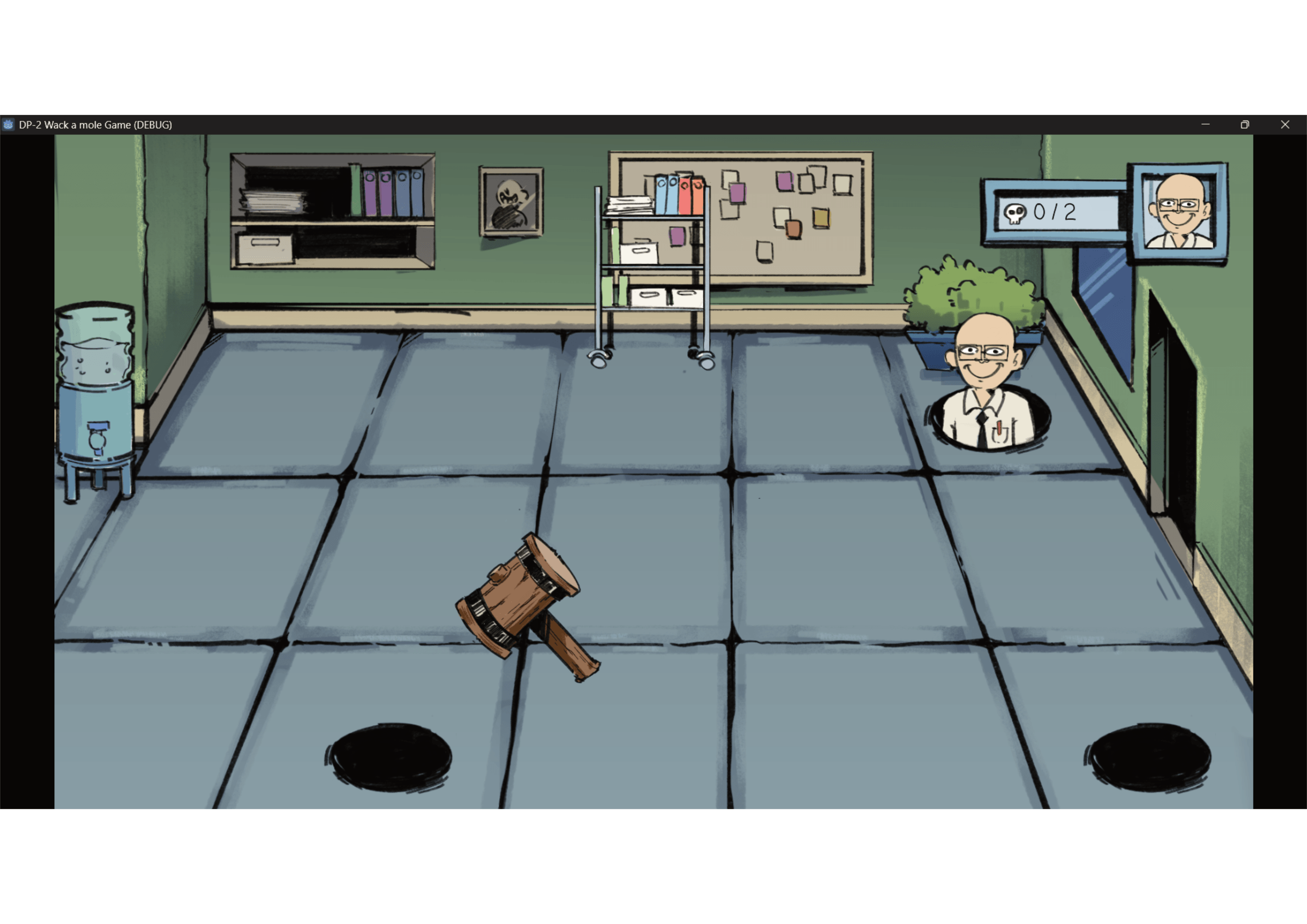
Whack-a-Mole is an arcade-style game in which players control a frustrated insurance claimant trying to resolve a denied health insurance claim by “whacking” employees throughout the company’s building. Players click randomly spawning moles under time and stamina constraints, progressing through five rooms as the protagonist ages and ultimately fails to secure a resolution.
Premise

A man signs up for health insurance, only to regret it when the company refuses to pay his claim. Frustration drives him to take the law into his own hands. He moves through the building, whacking employees room by room in an attempt to reach the top and secure his claim. As the story progresses, the player discovers that the character ages with every level. He never reaches the end. The claim is never paid. The company places obstacle after obstacle in his path until age and exhaustion overtake him.
Design concept

Based on the conceptual inquiry, I began exploring ways to represent these ideas across different forms, including the visual logic of Rube Goldberg’s comic strips. I wanted the game to feel cartoonish, playful and accessible.

The washed-out palette recalls old comic-book pages and early Flash games and websites, giving the world a generic, worn and scraggly quality.

Every drawing uses Krita’s default chisel brush. Its variation between thin and thick marks gives otherwise flat images more movement and life.

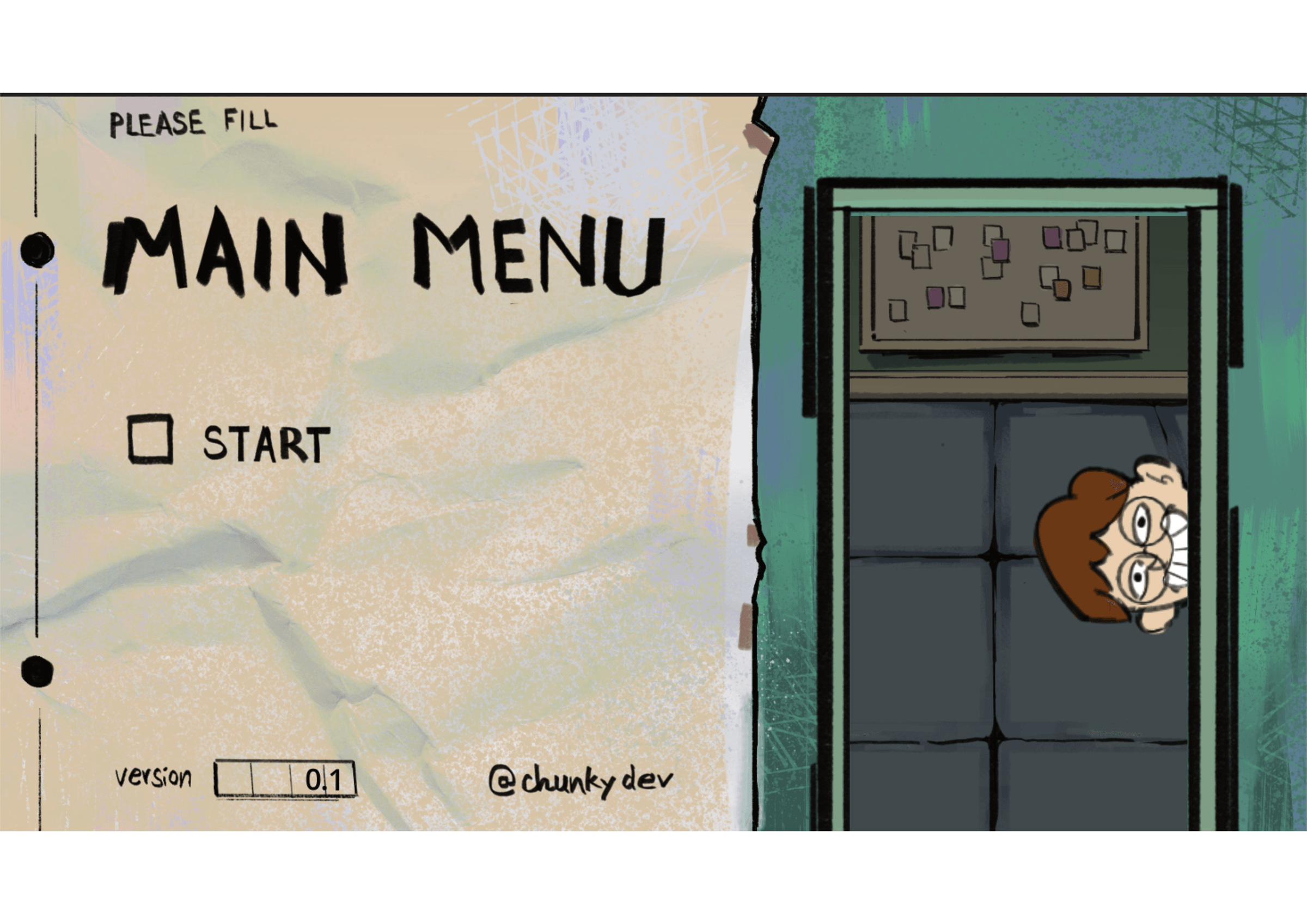
Game screens

Main menu for Wack that Mole

01 / 06

Narrative framing

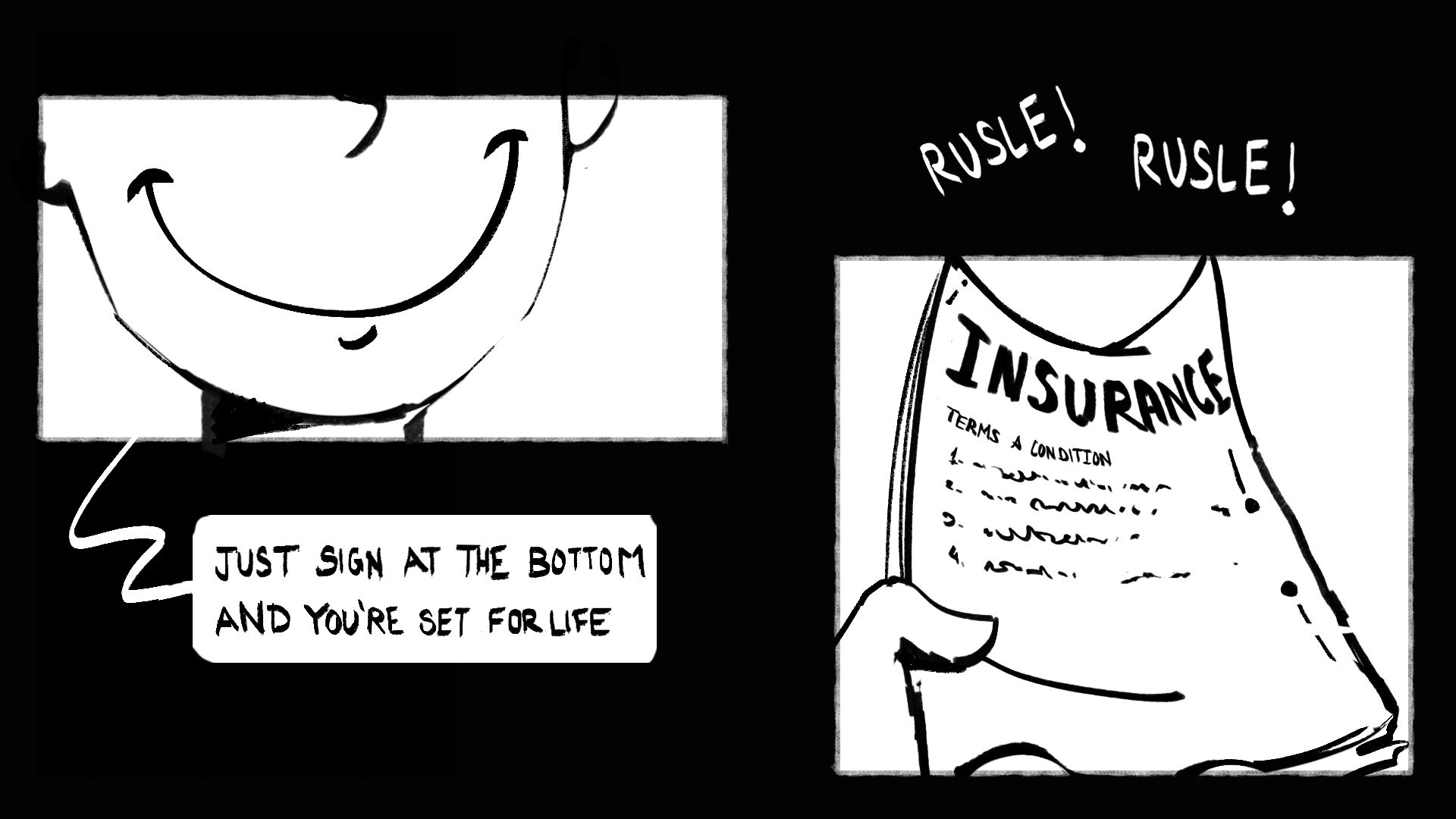
Comic panel introducing the insurance form and its rules
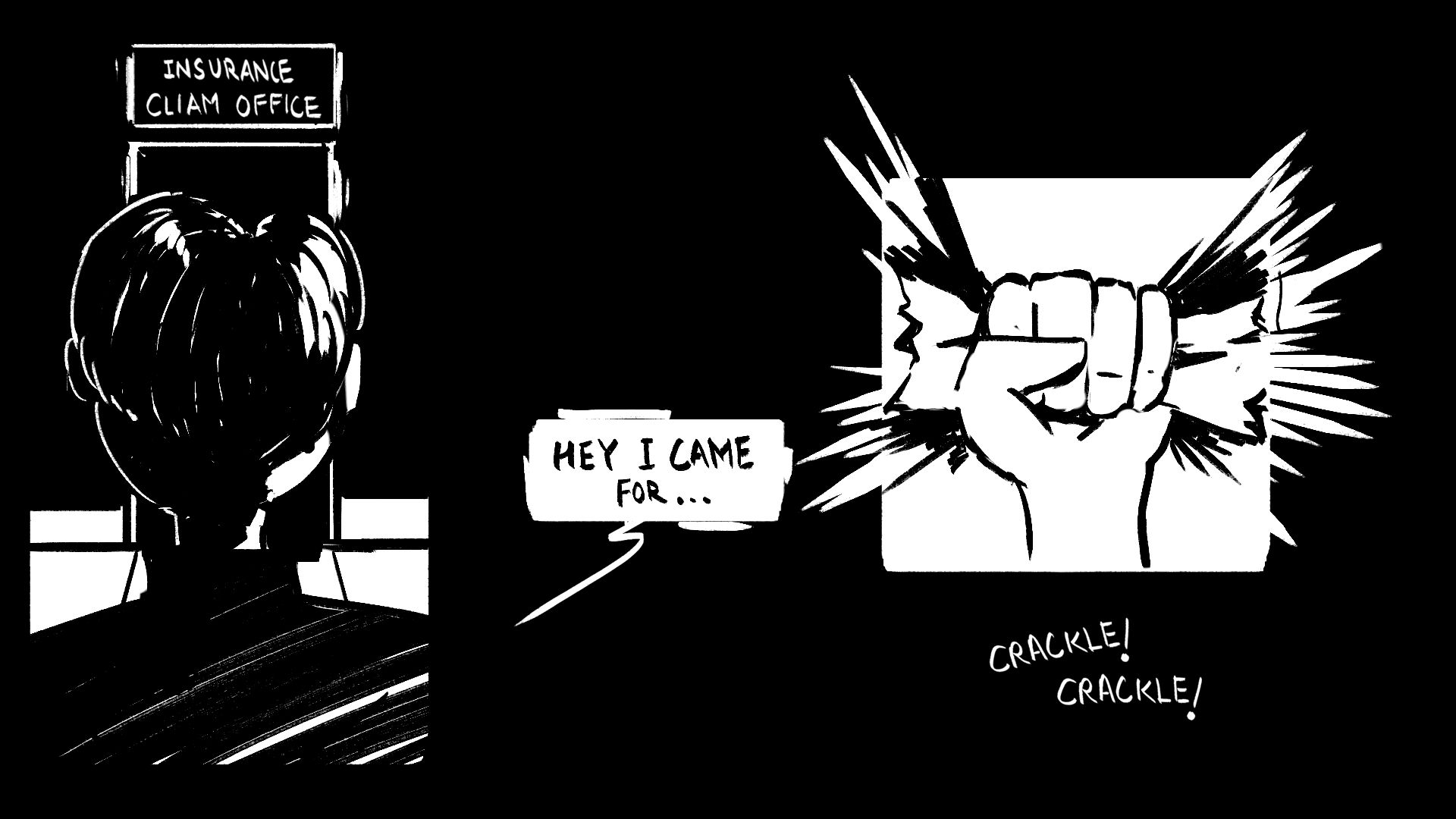
Comic panel showing the frustration of visiting the insurance office
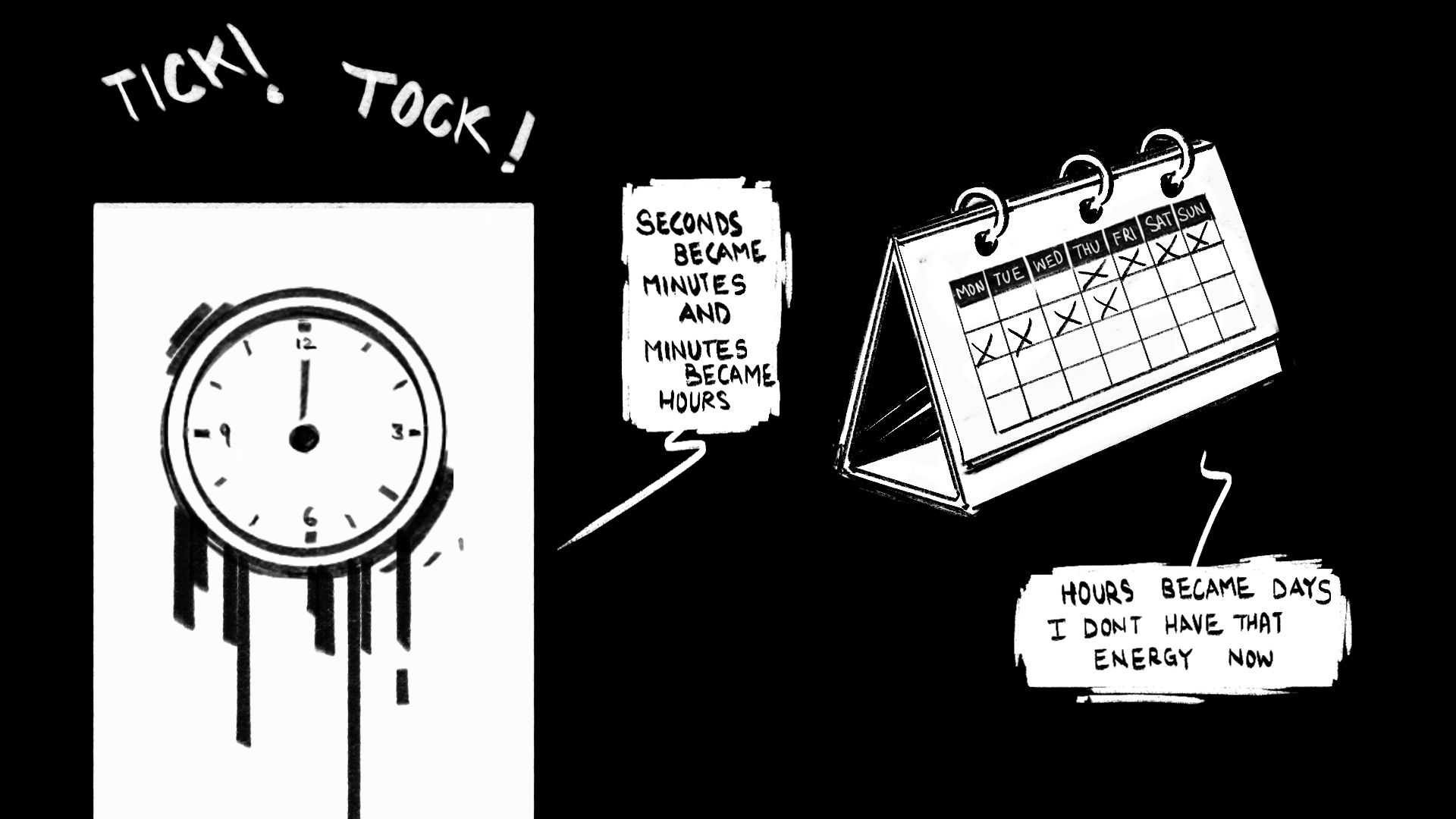
Comic panel expressing bureaucratic waiting through clocks and calendars

Sketches

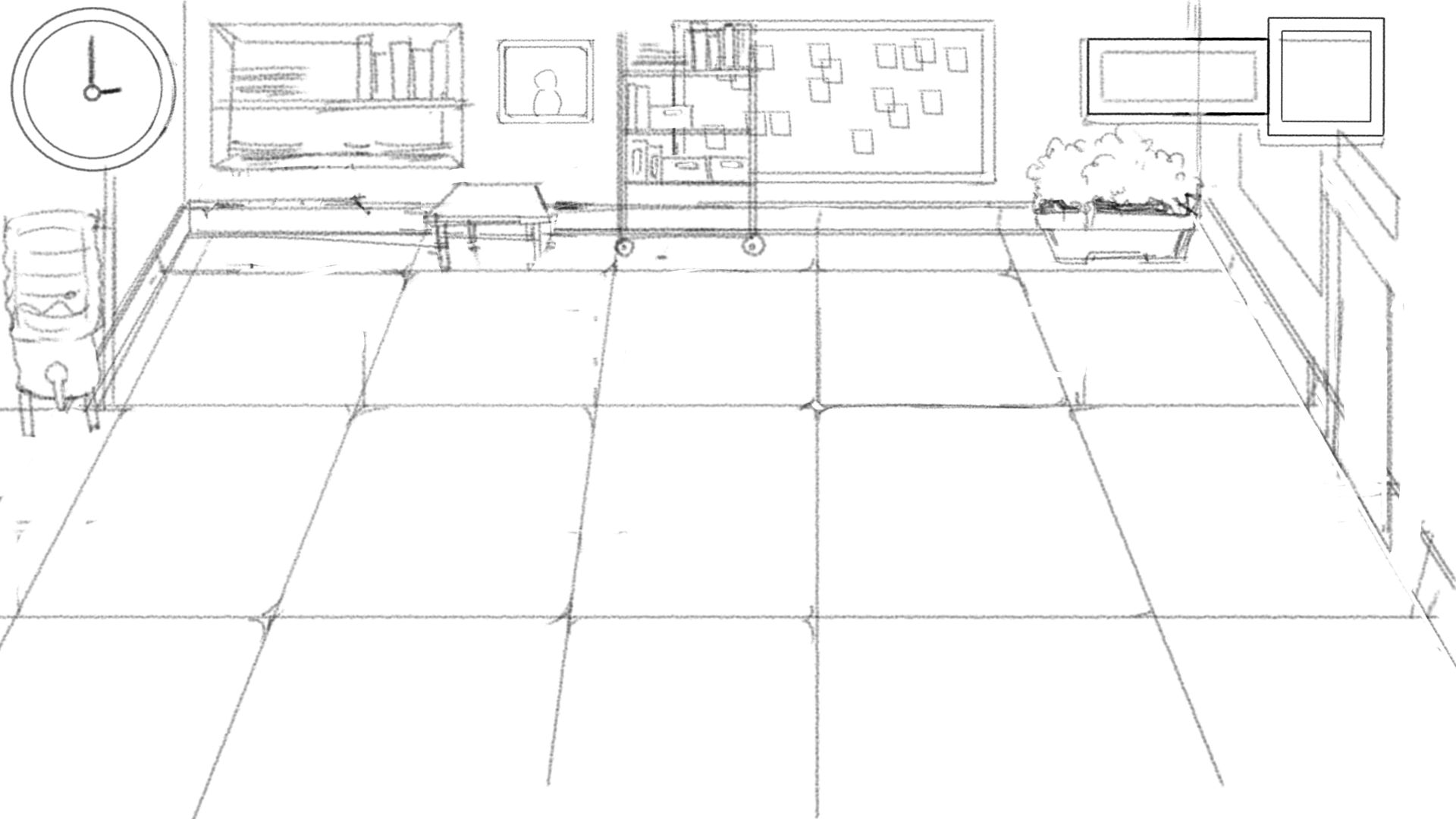
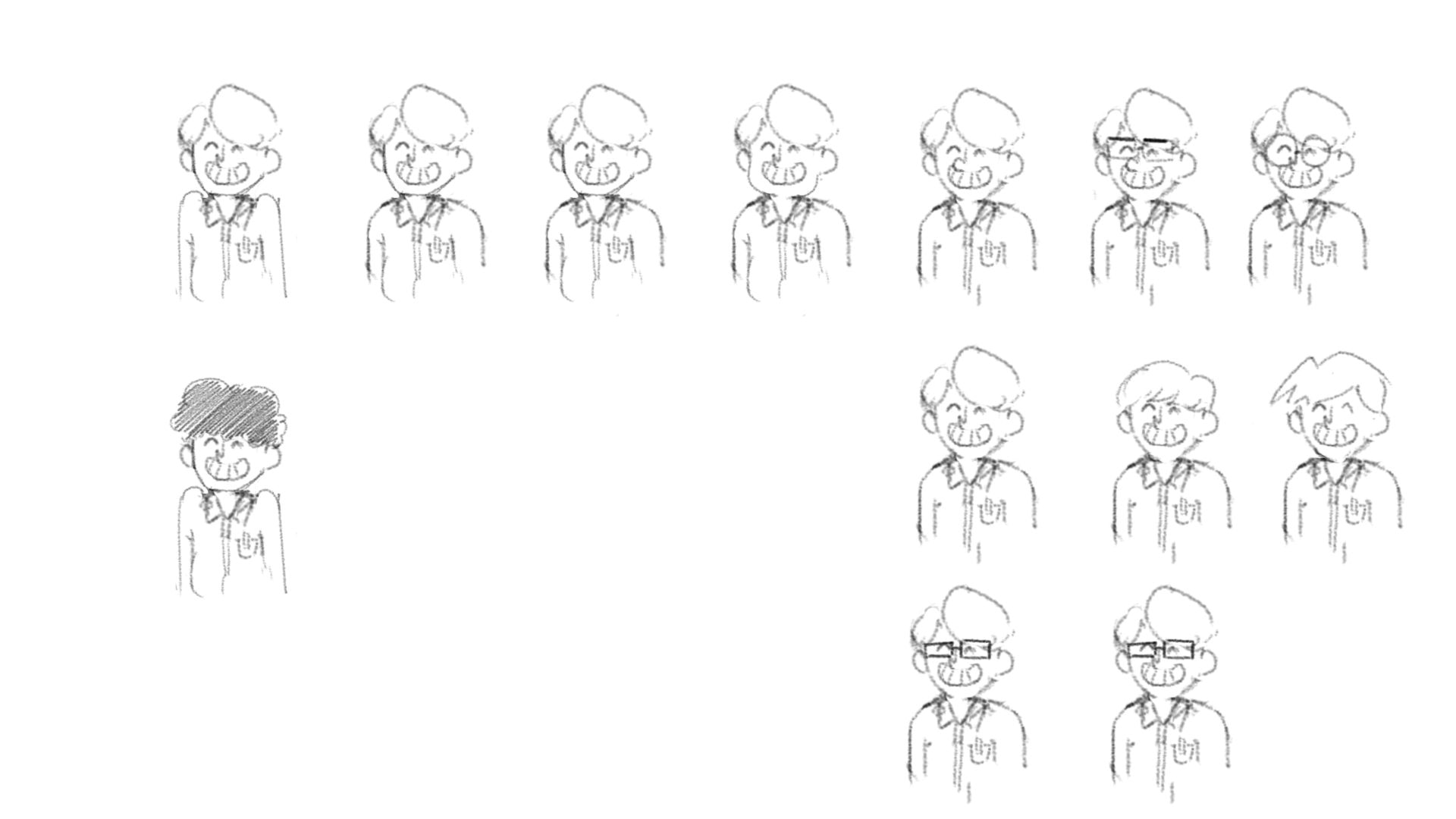
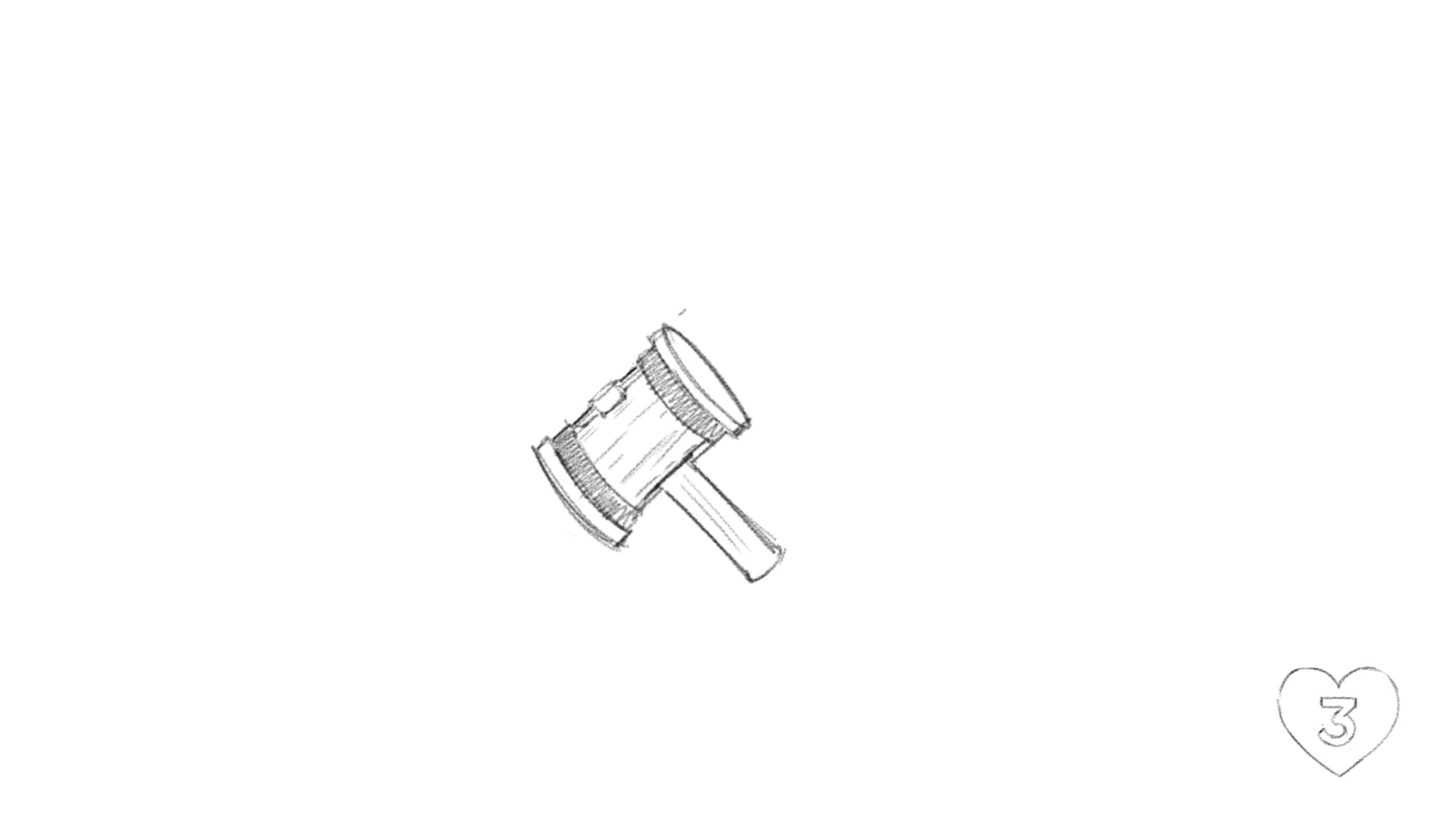
Early sketches establish the office perspective, character expressions and the objects that turn paperwork into play.

Early perspective sketch of the game's insurance office
Early character expression and appearance studies
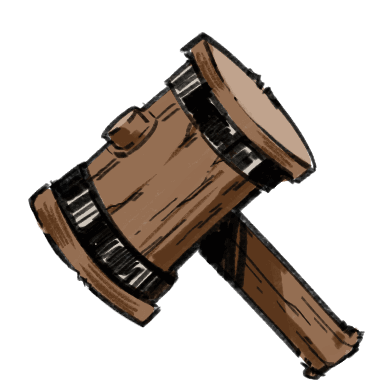
Early hammer and health interface sketches

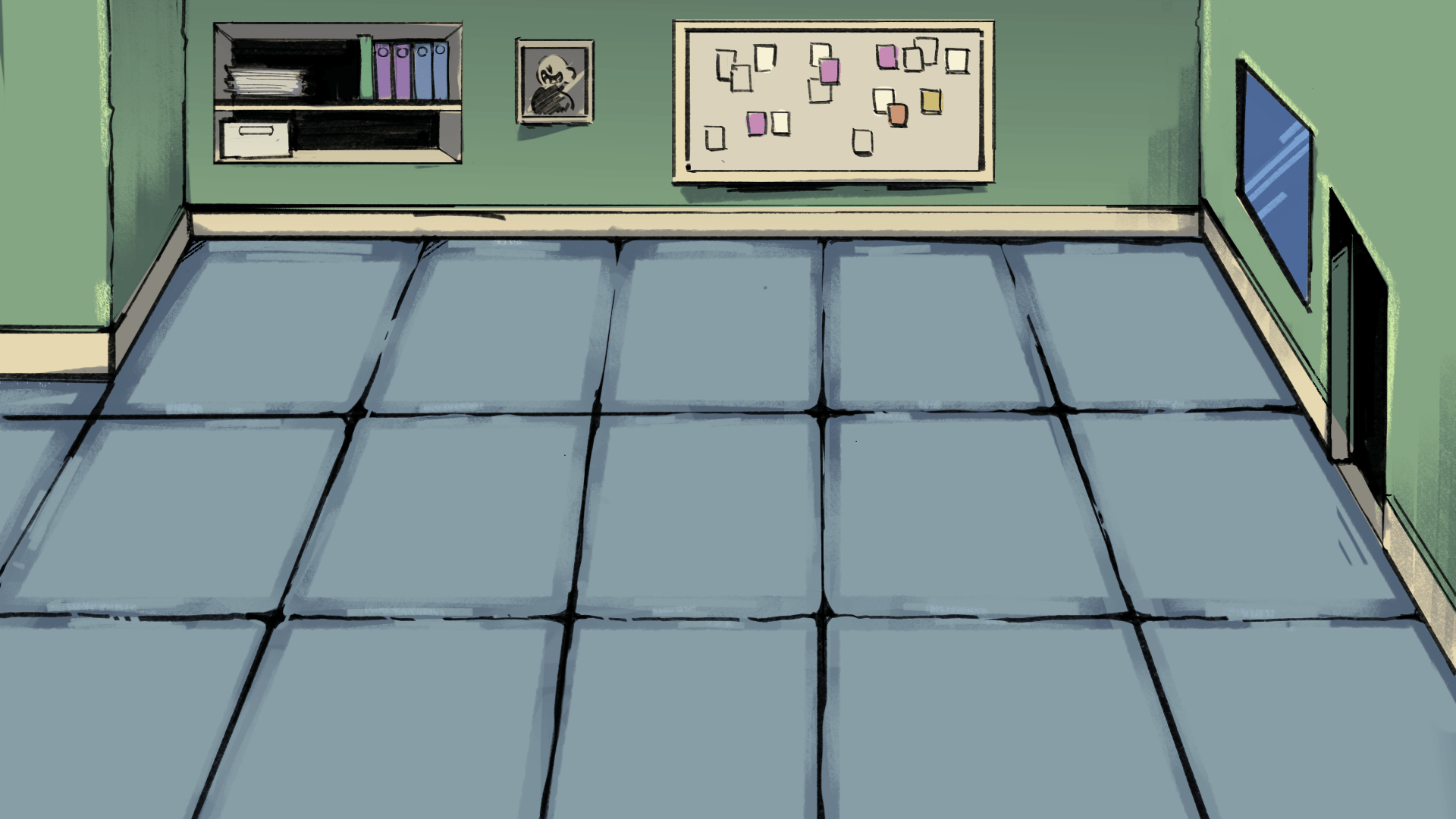
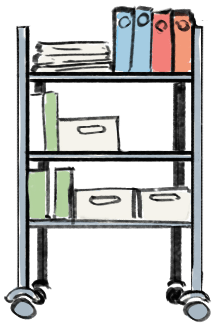
Playable office

Playable insurance office environment
Movable office storage rack
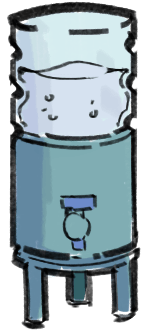
Movable office water filter
Movable office plant

Asset creation

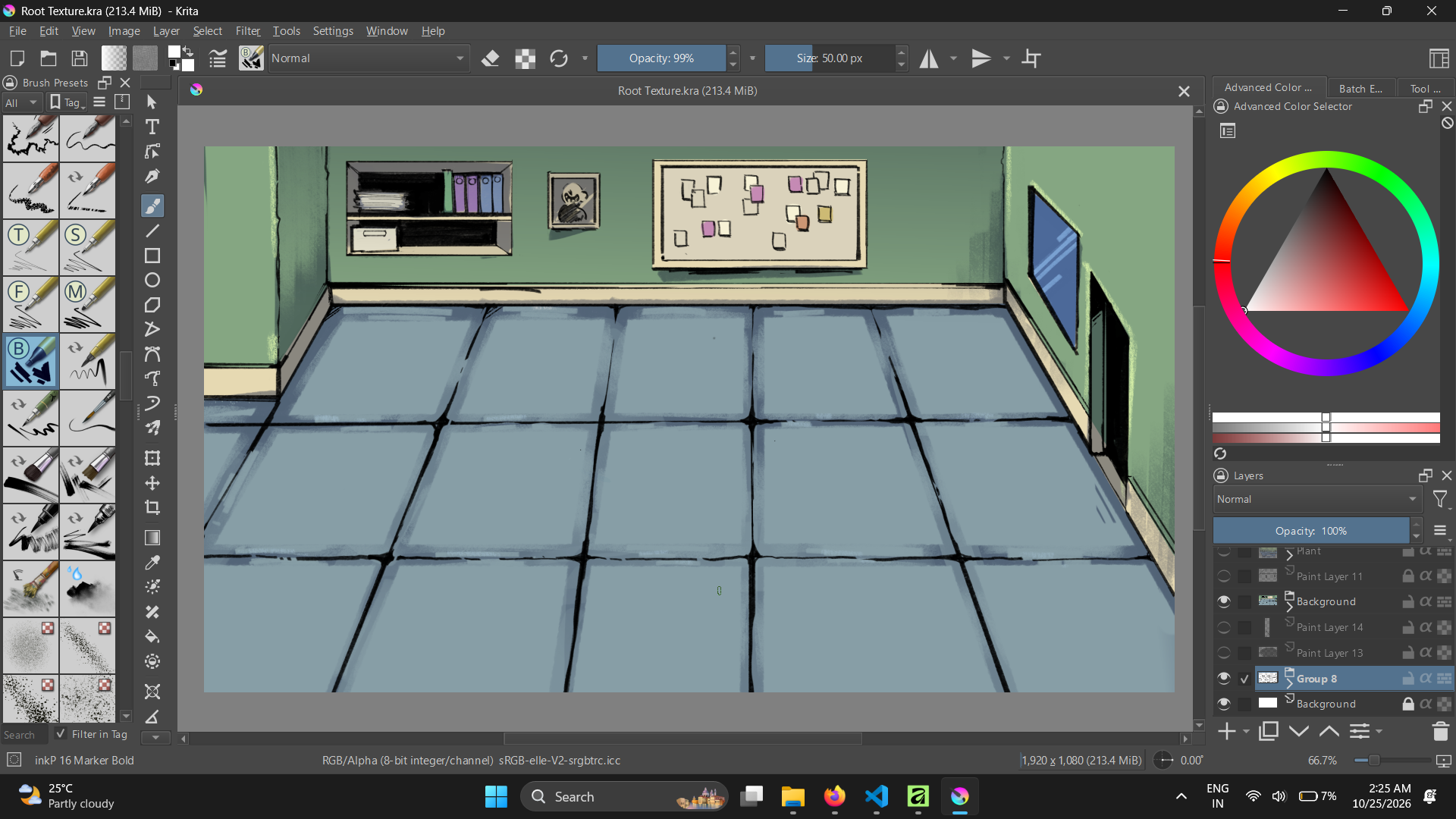
Building the game’s office environment and visual assets in Krita.

The office environment artwork being developed in Krita

Random mole generator

Employees appear from changing floor positions, turning the search for the correct claim into a timed and unpredictable task.

Three generated employees

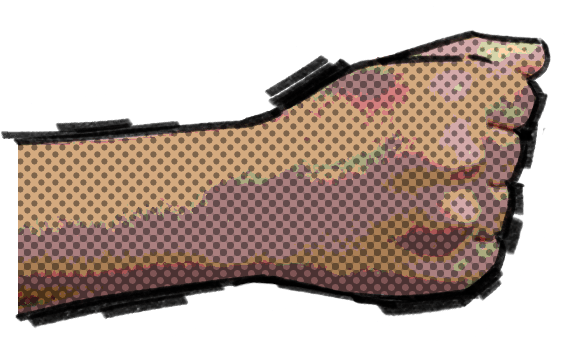
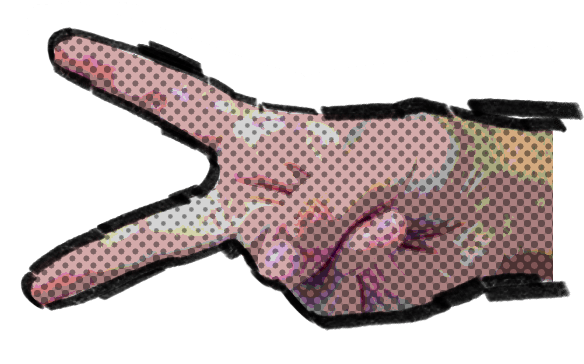
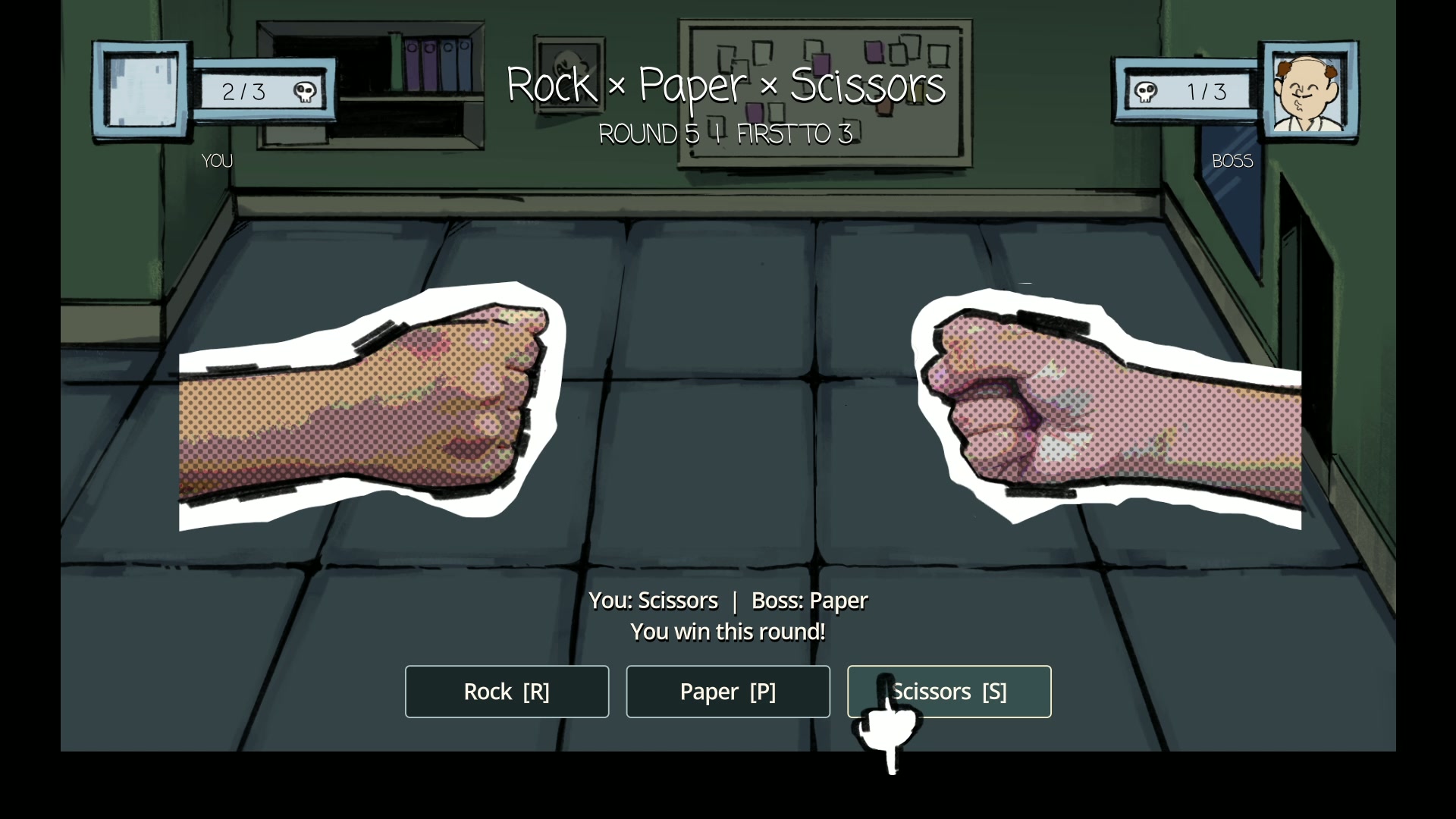
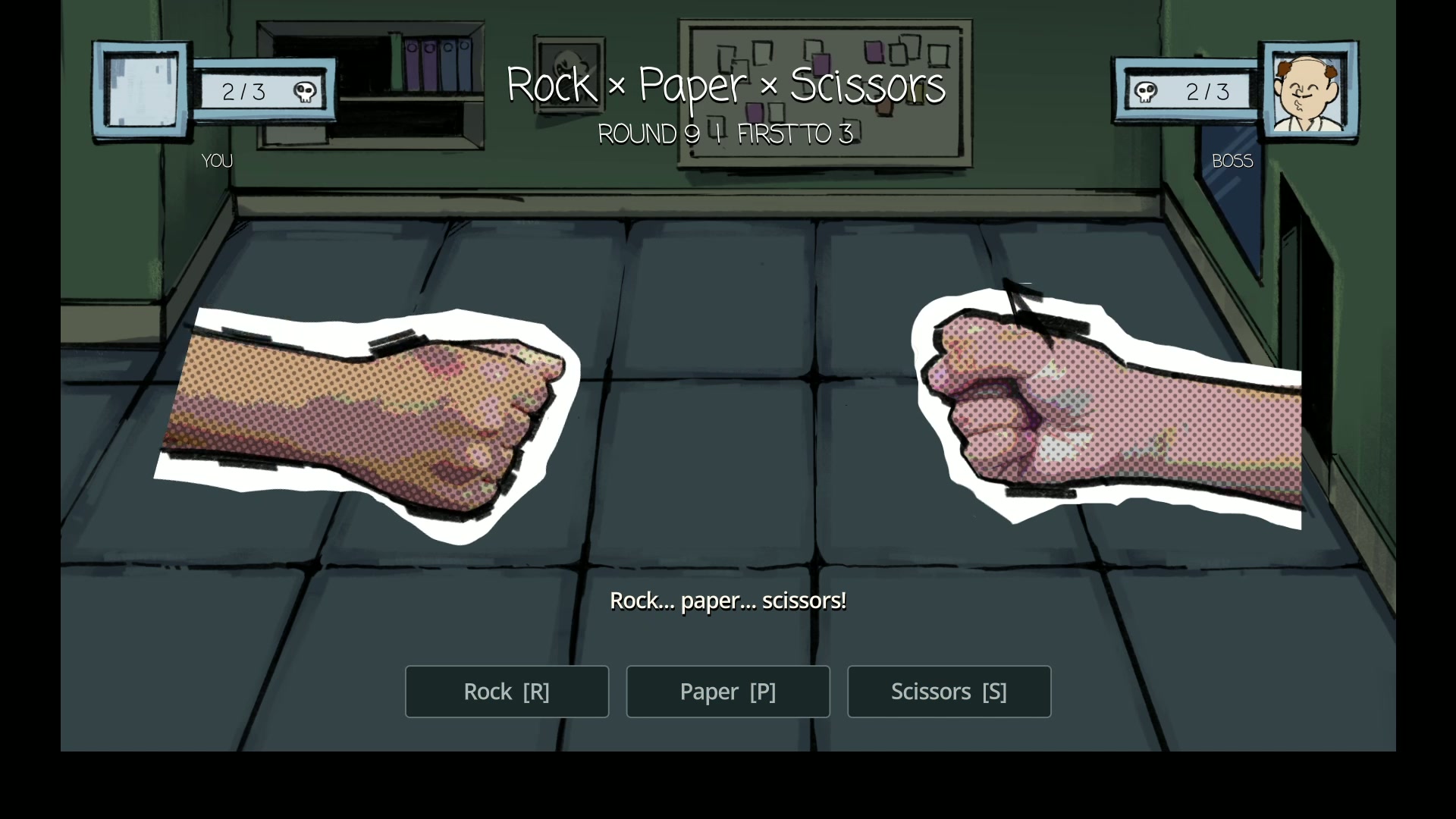
Rock, paper, scissors

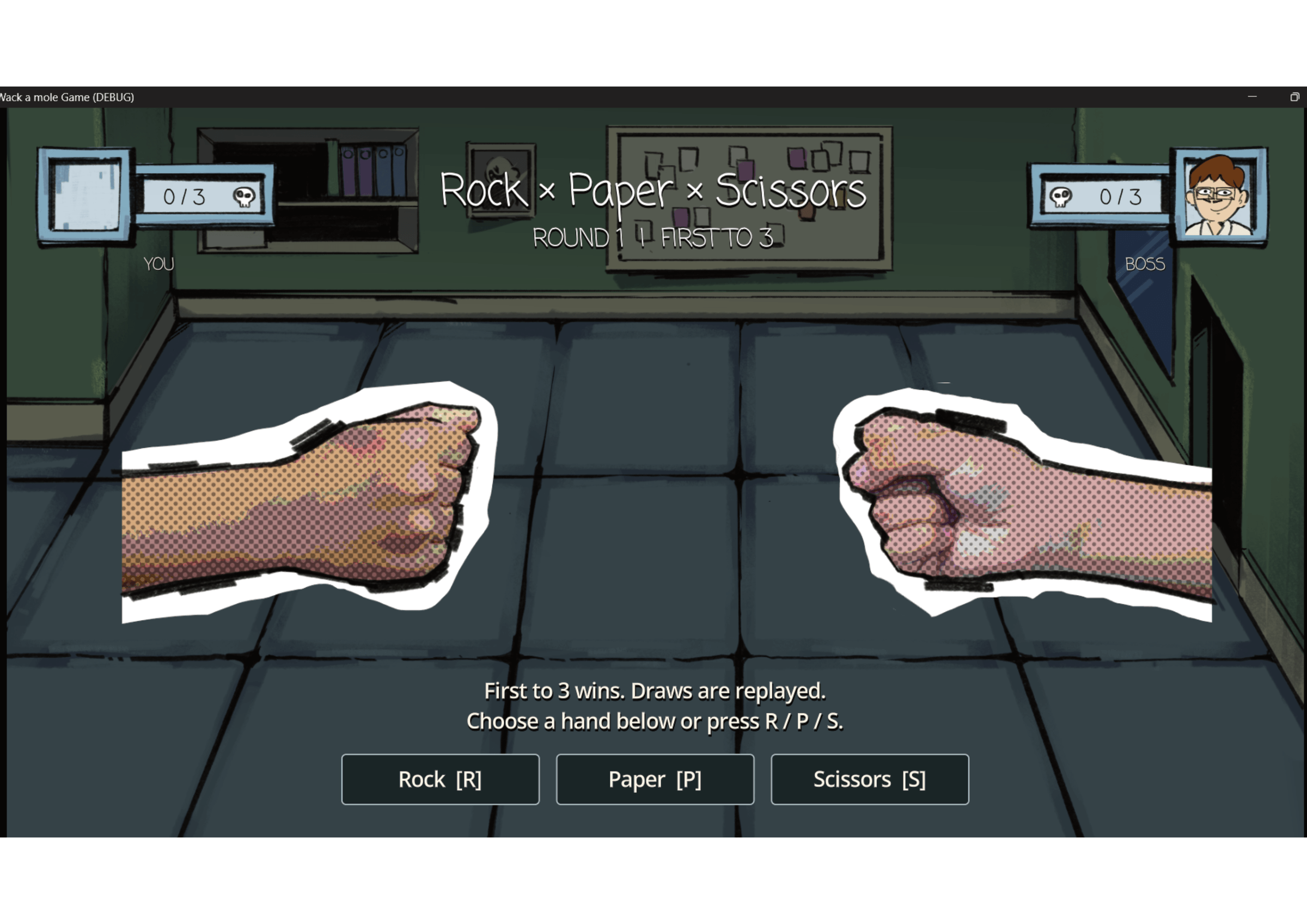
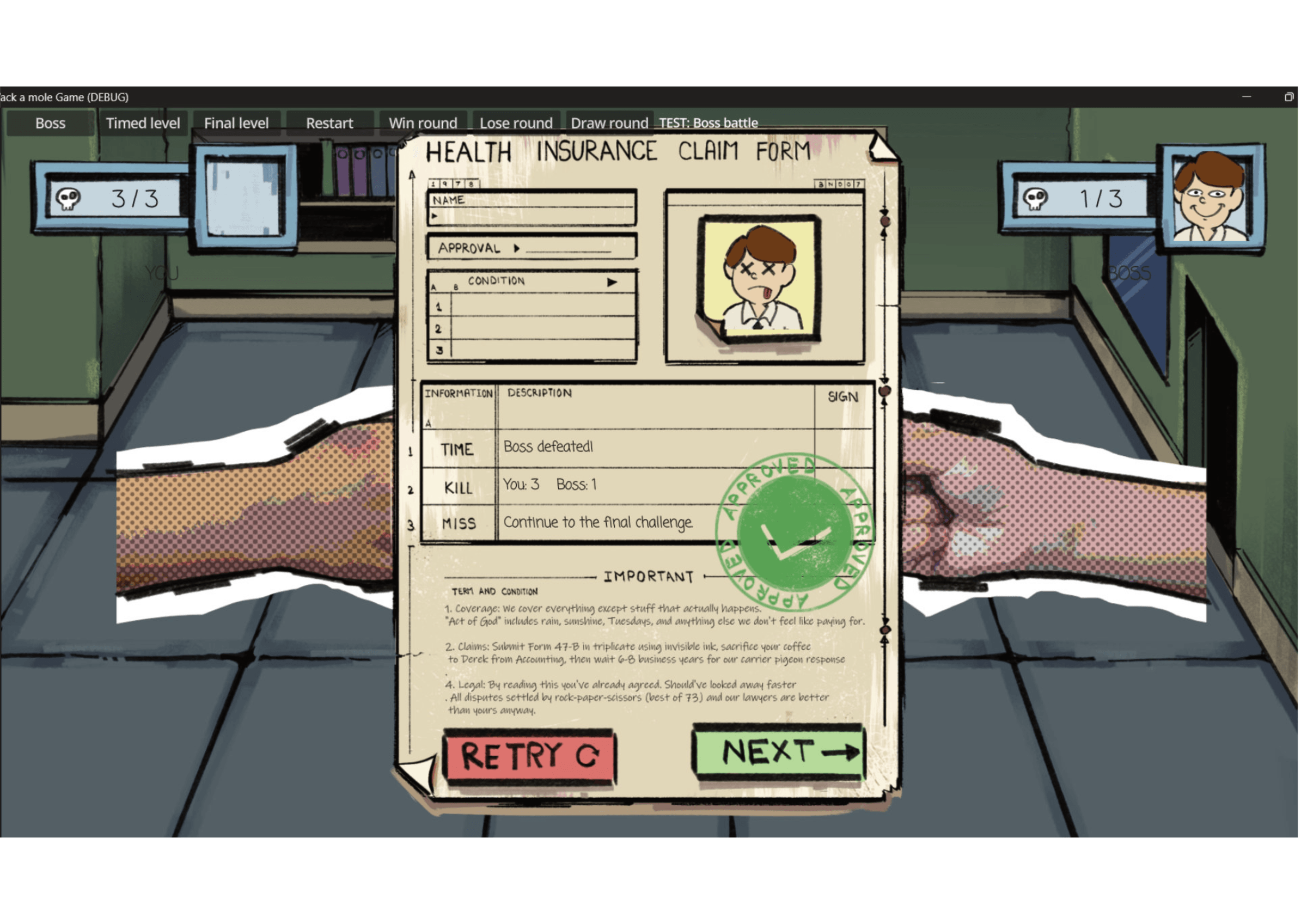
The familiar hand game becomes another approval test, interrupting the main mechanic with a short contest against the system.

Player chooses Rock
Opponent chooses Scissors

Rock × Scissors

Rock paper scissors round during gameplay
Rock paper scissors result and next round interface

03

Lamp as an output

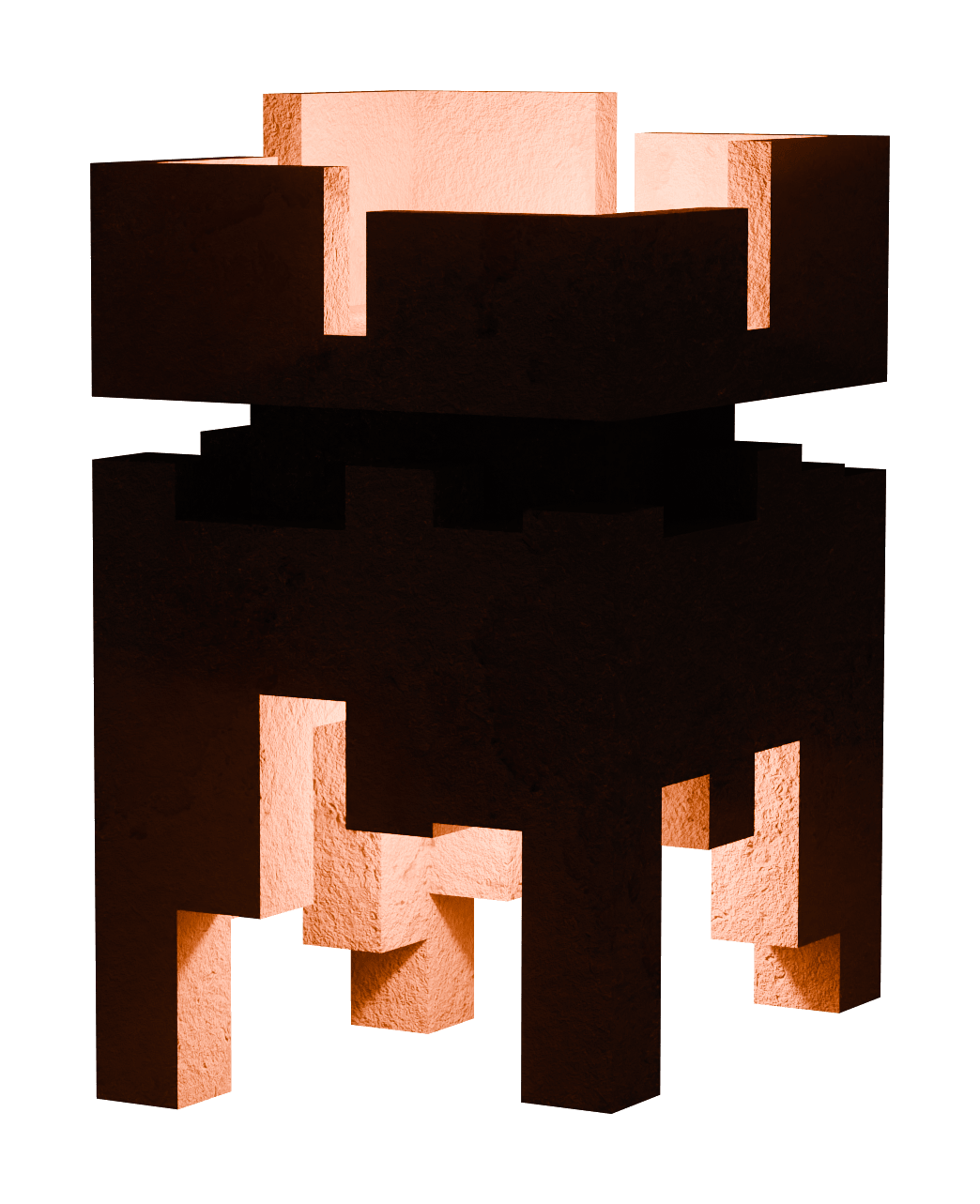
The lamp translates the project’s ideas into a physical object, using light, material and interaction to express control and constraint.

Final illuminated concrete lamp render

Exploration

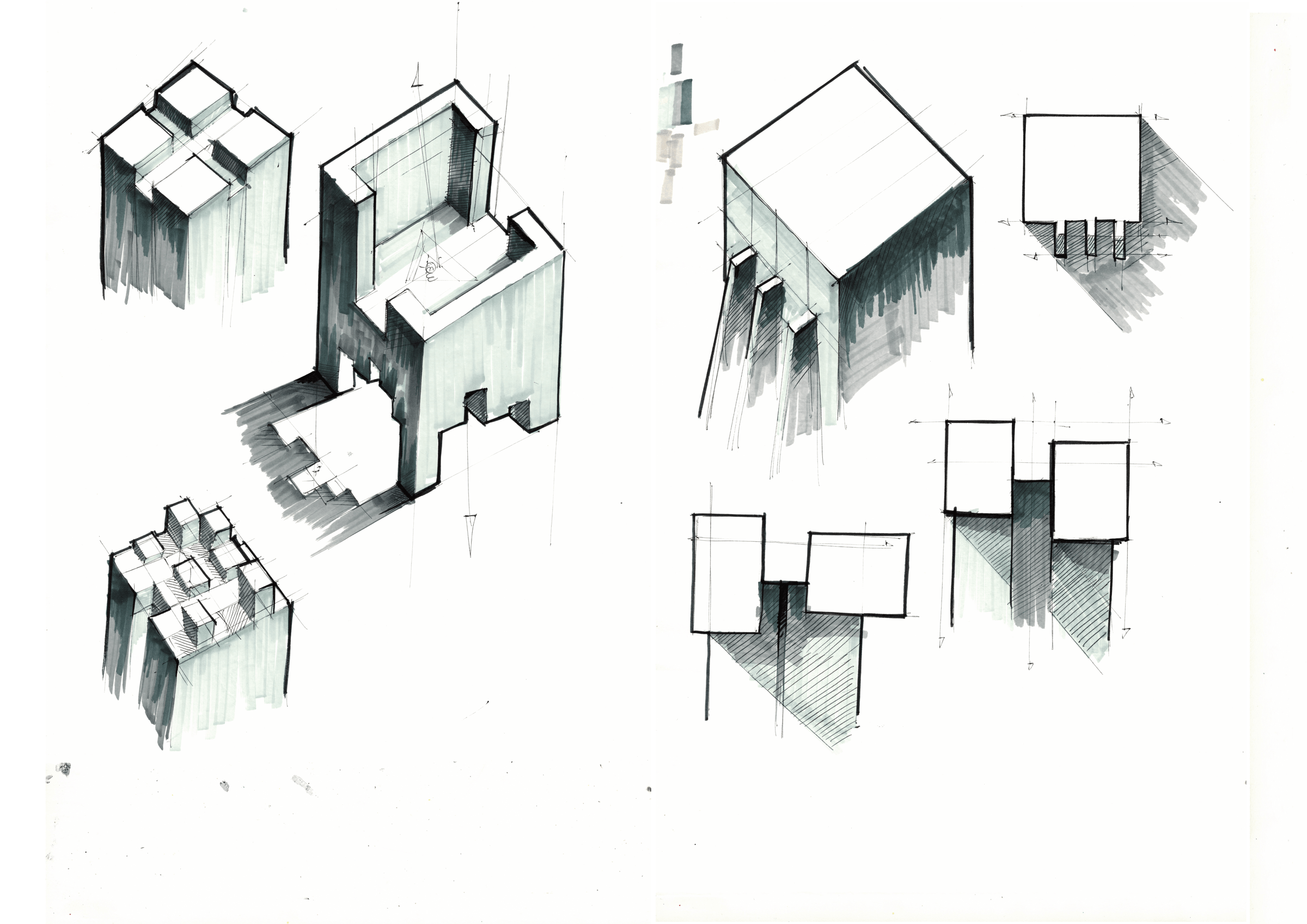
Early spatial sketches explore how repeated blocks, openings and shadows could shape the lamp’s form.

Early isometric and elevation sketches exploring the lamp form
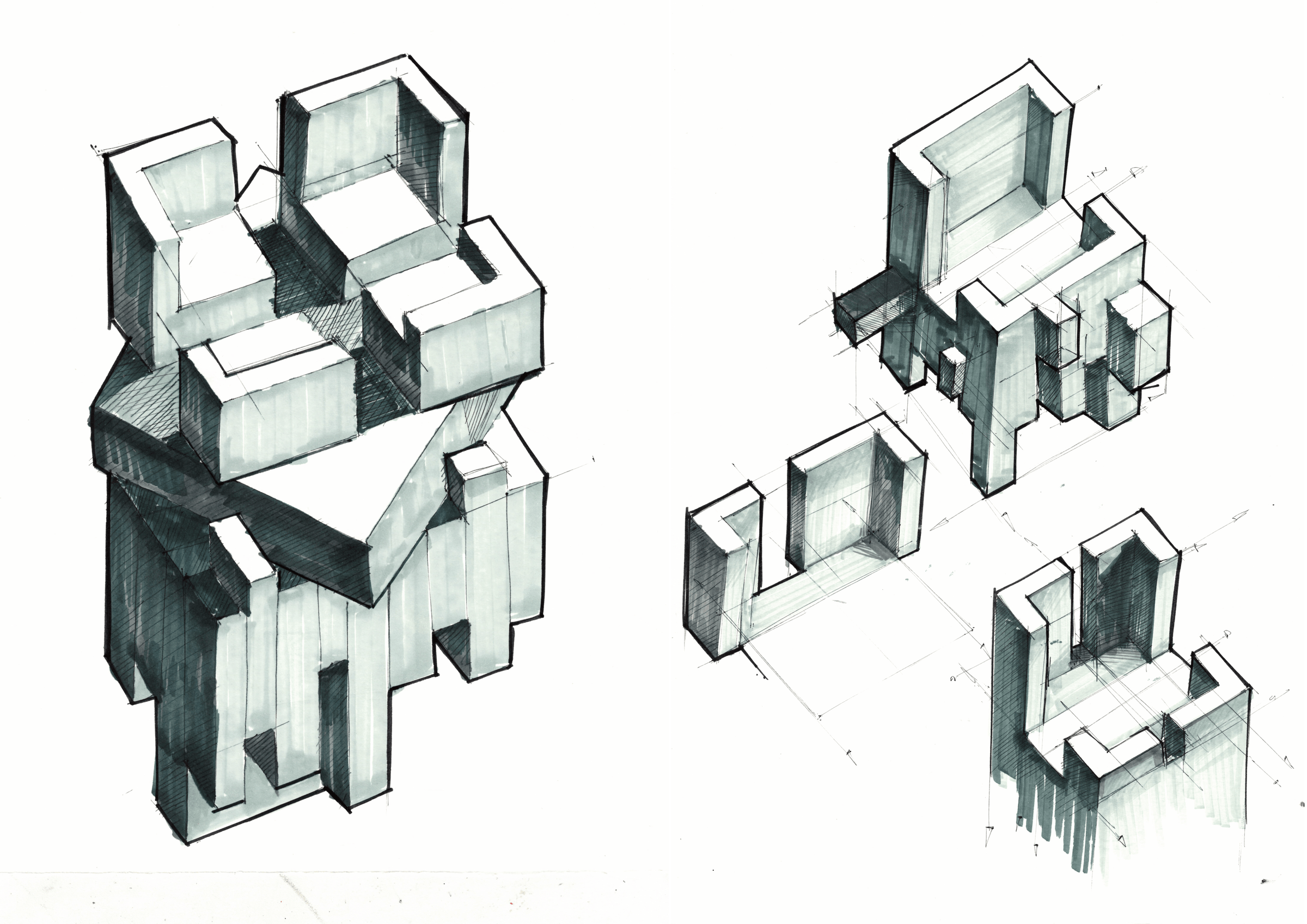
Isometric iterations of the lamp's interlocking form
Interlocking form iterations

Form development

Exploded rotation study
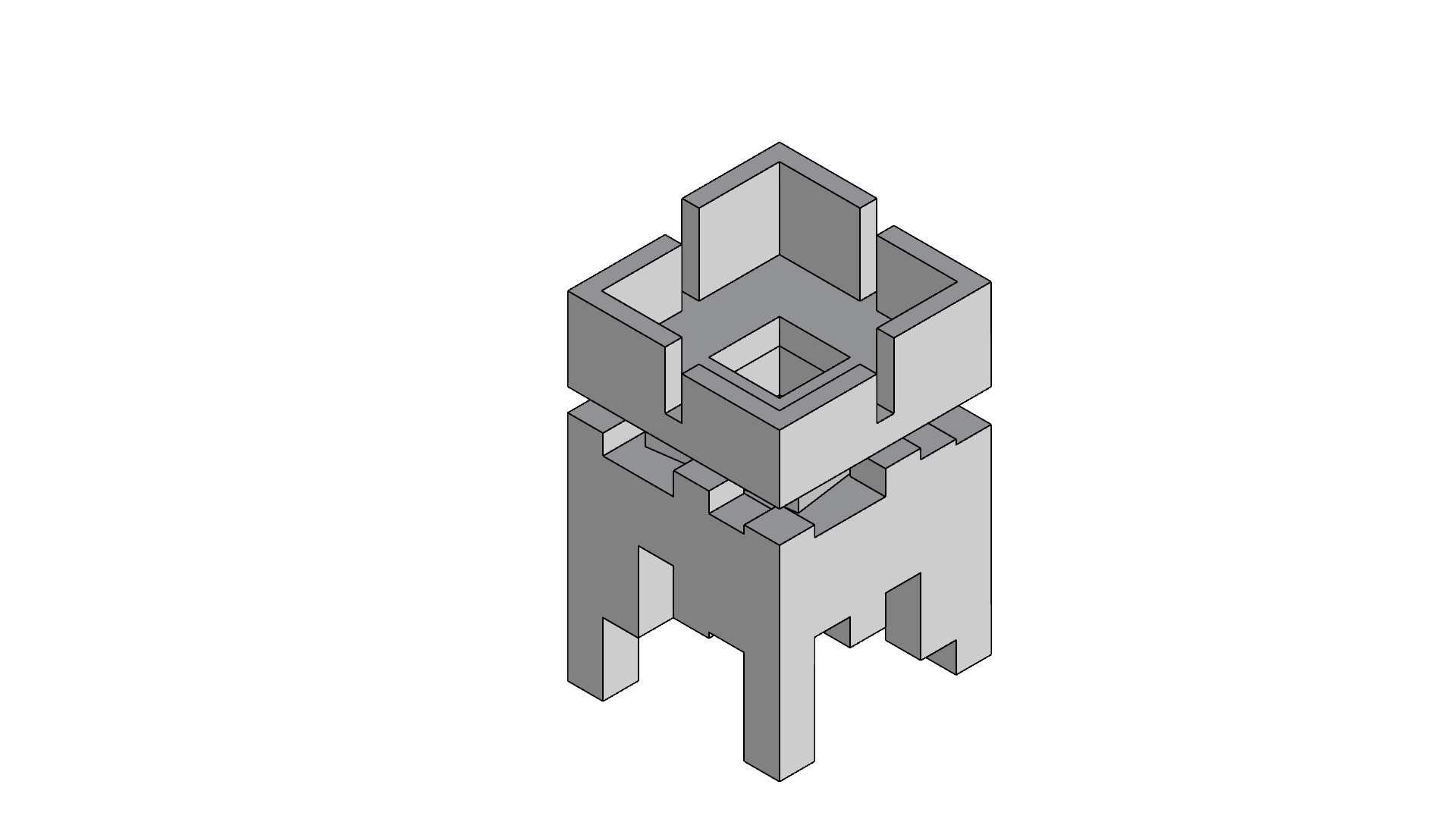
Shaded three-dimensional lamp model
Shaded form
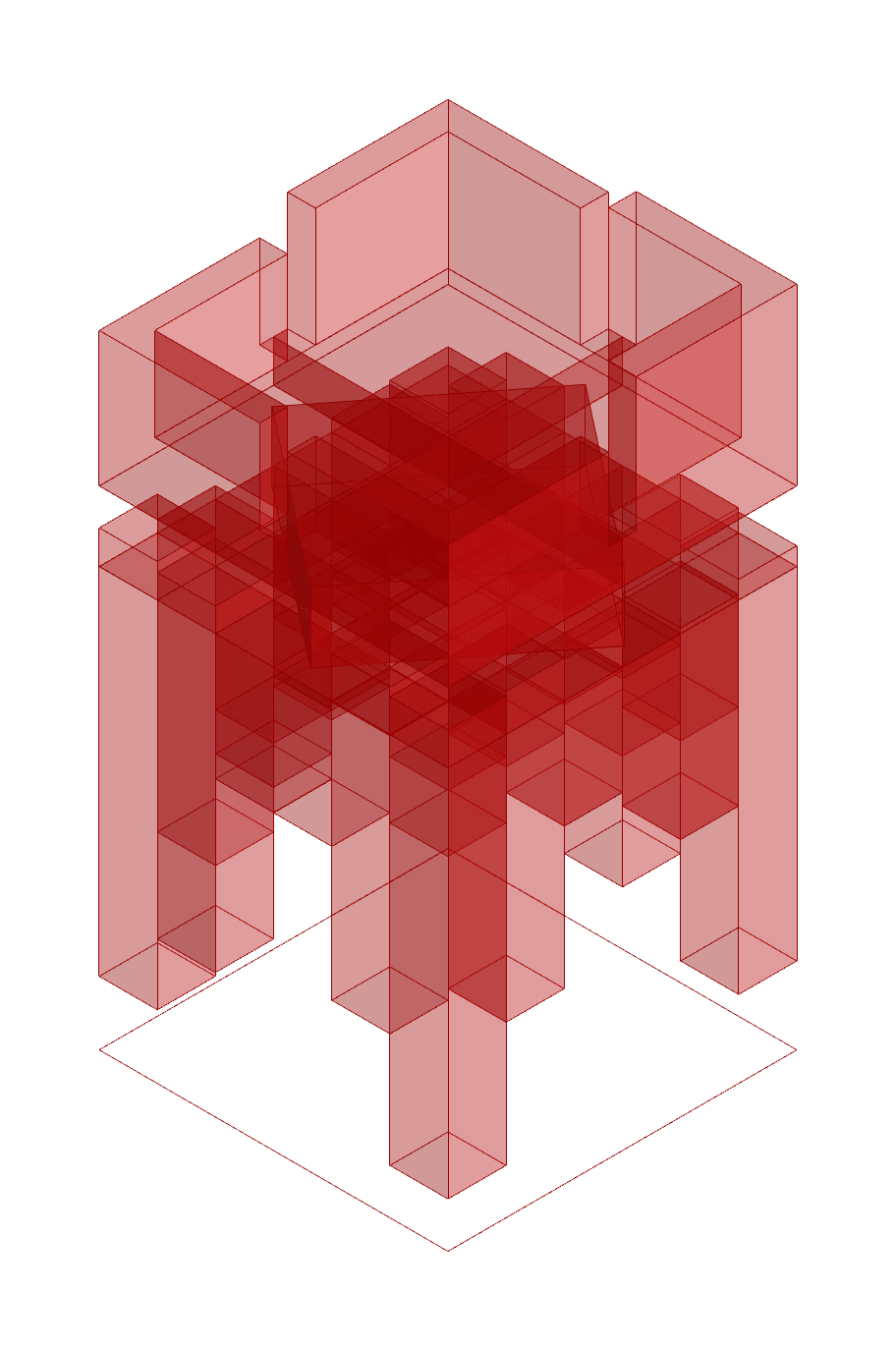
Translucent parametric lamp assembly
Parametric assembly

Material exploration

Material studies

01 / 16

Drag a corner, swipe, tap, or use ← →

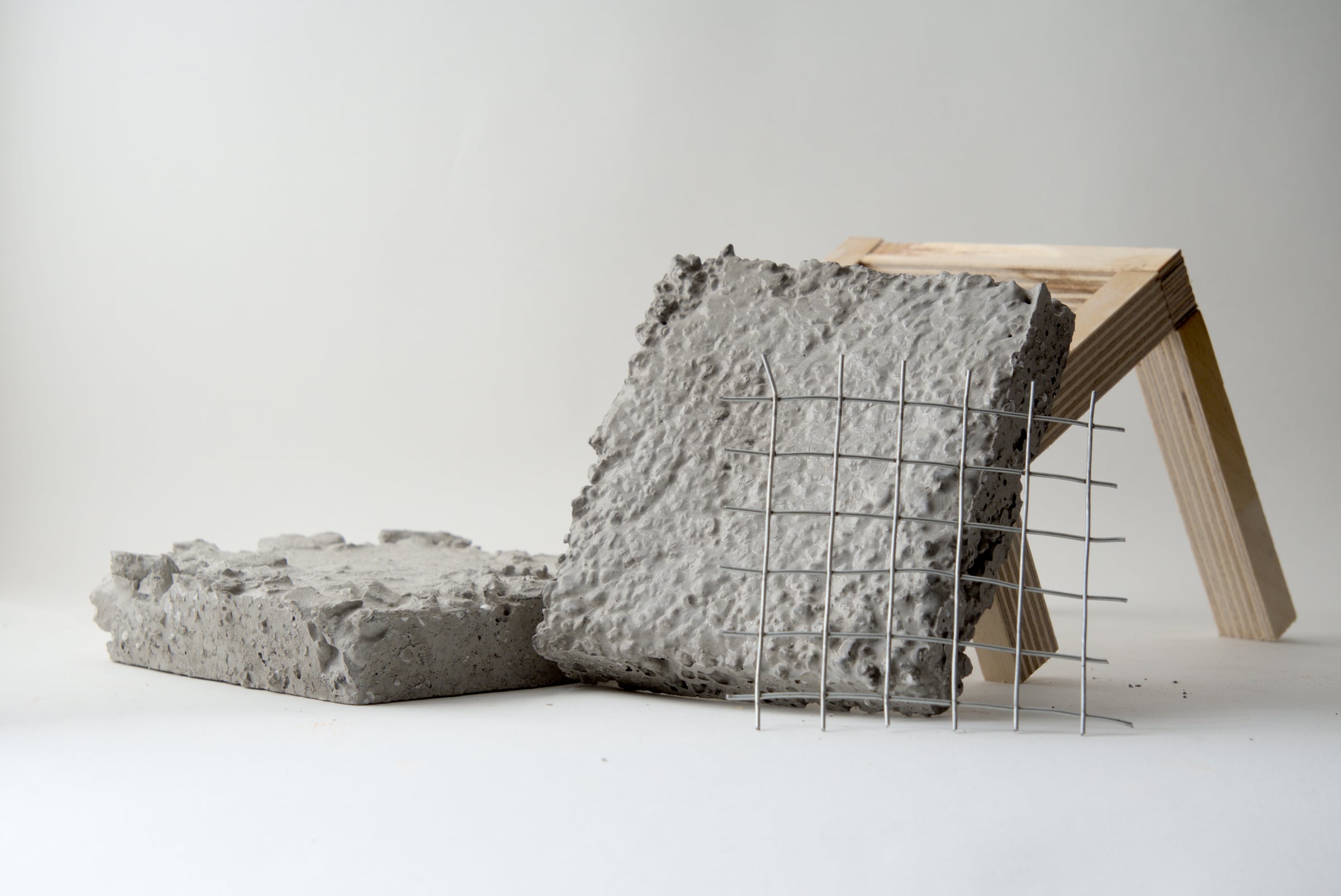
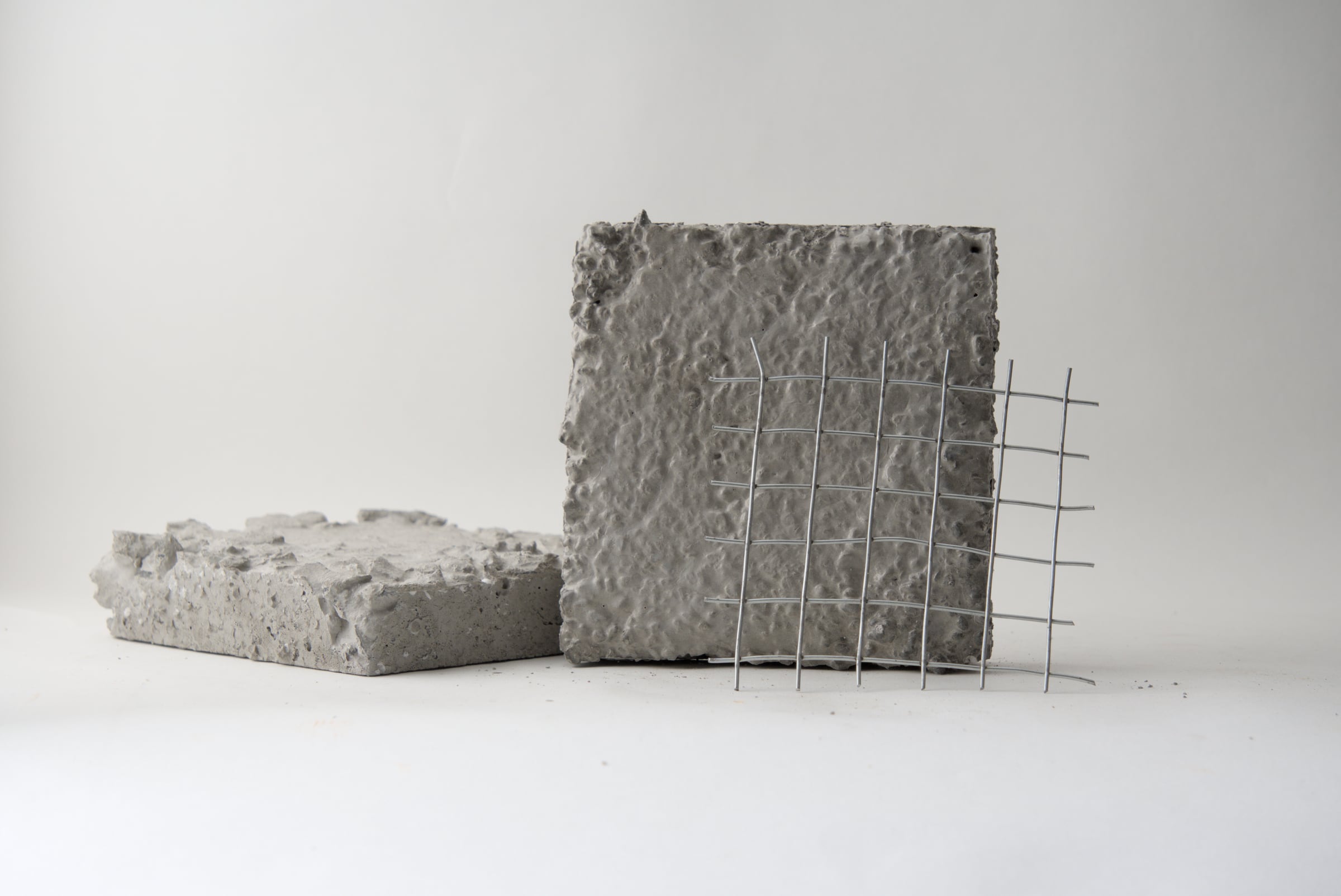
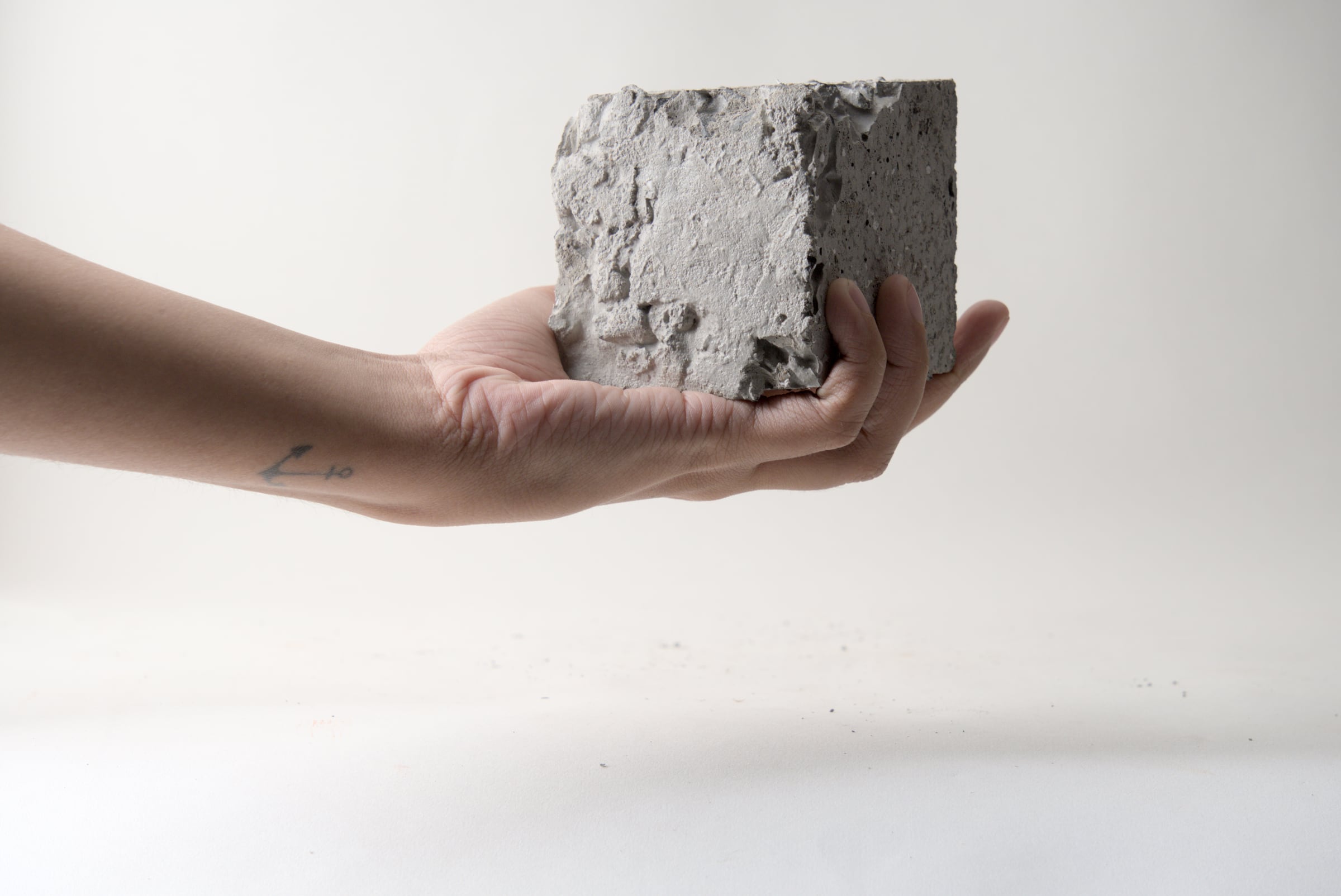
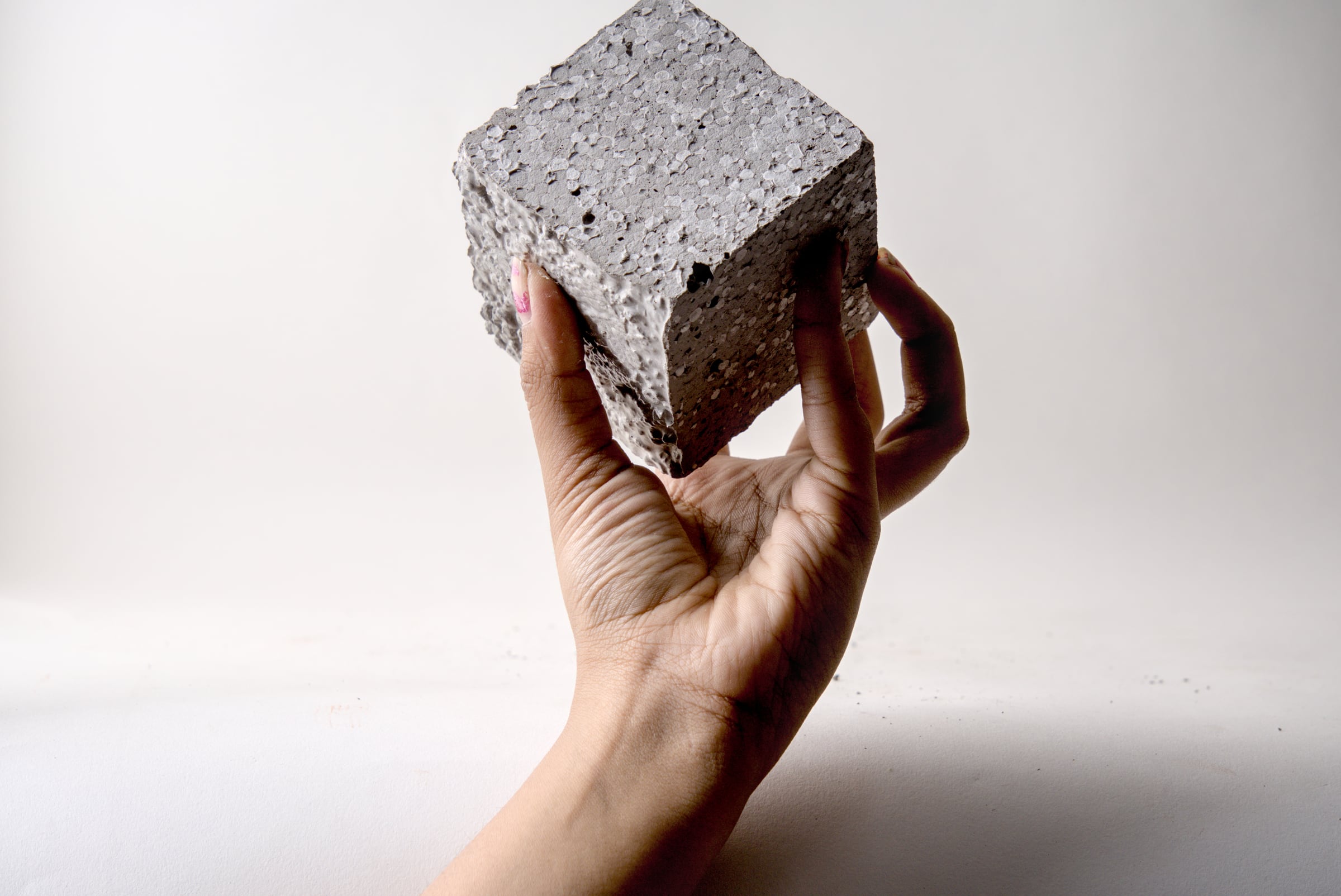
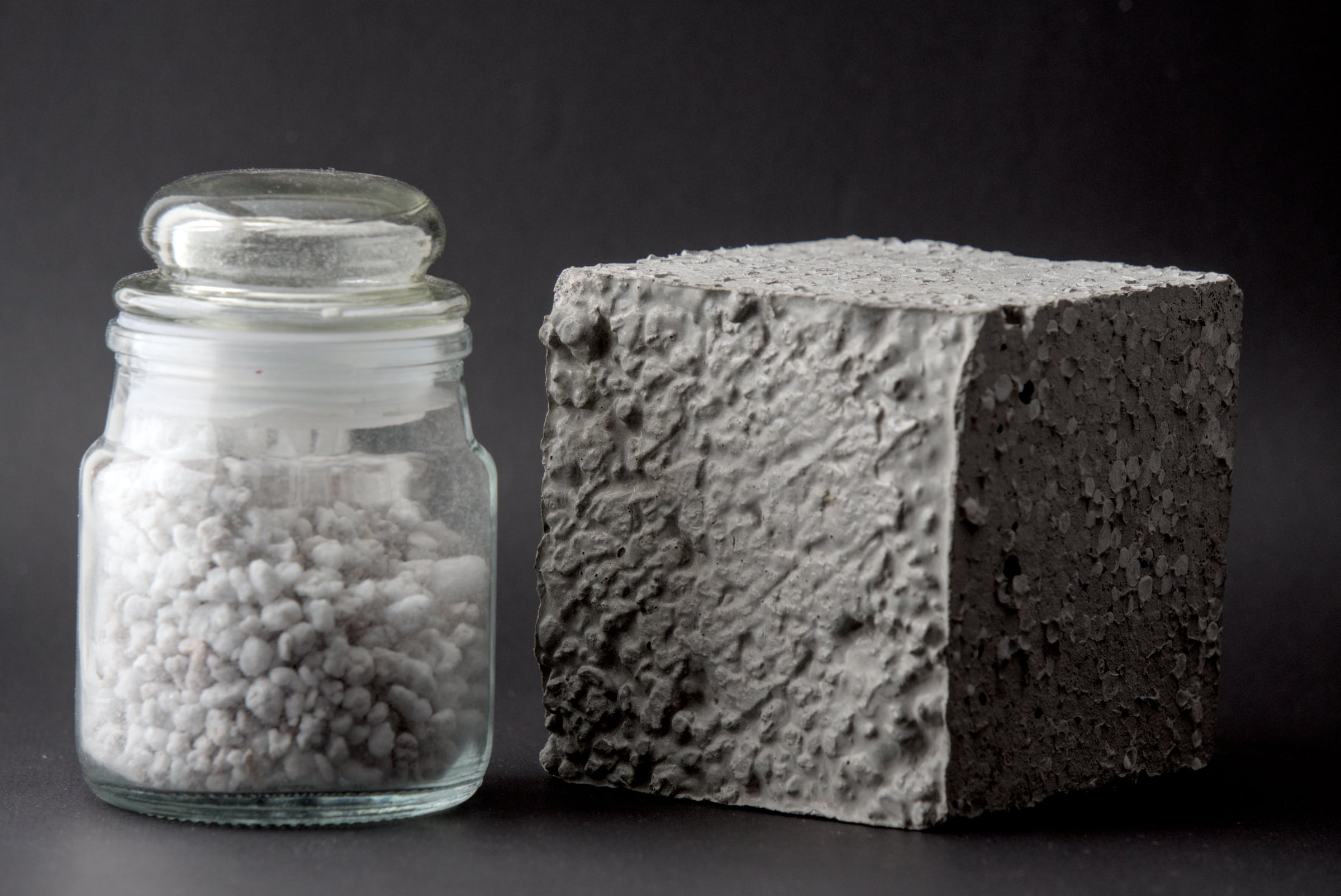
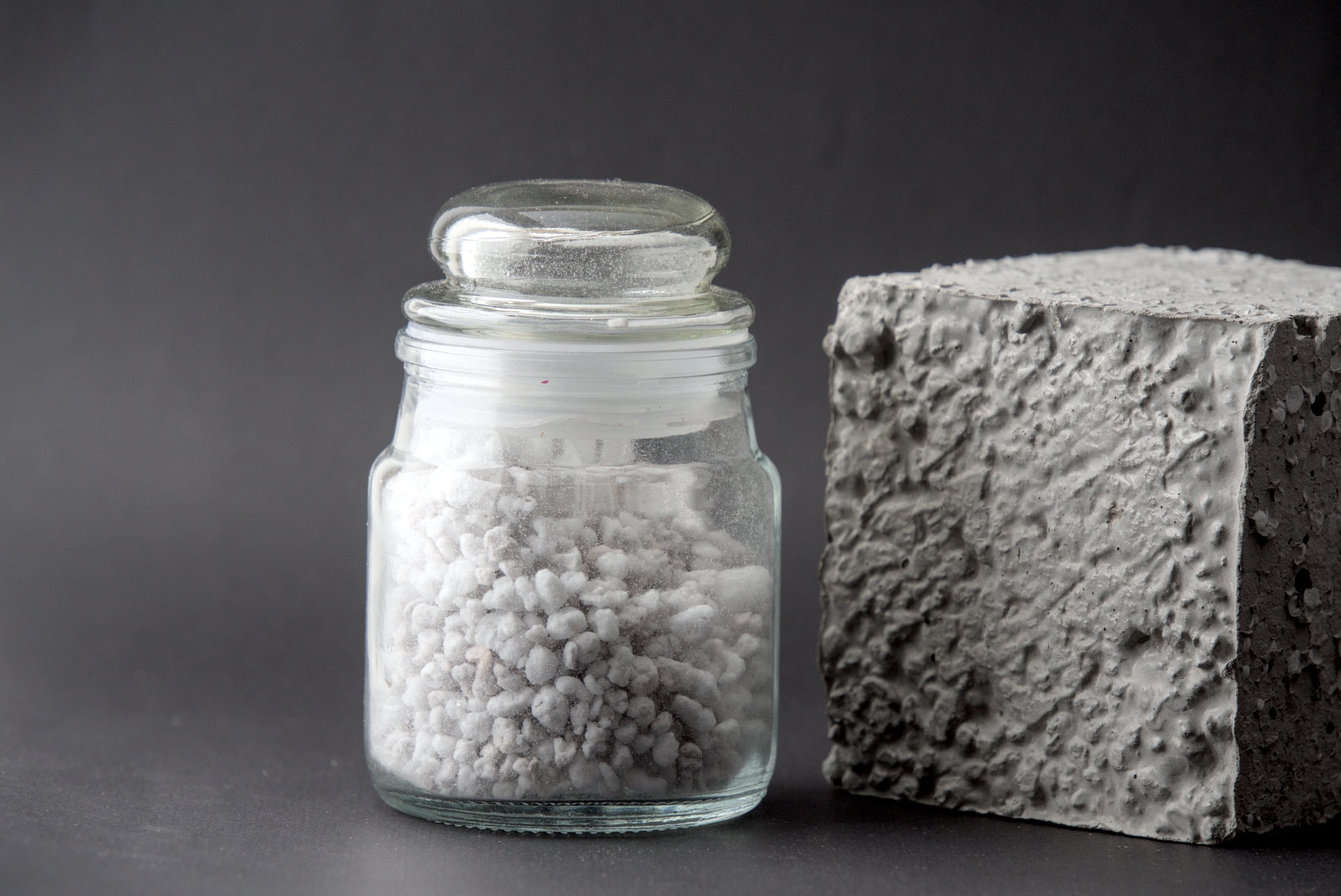
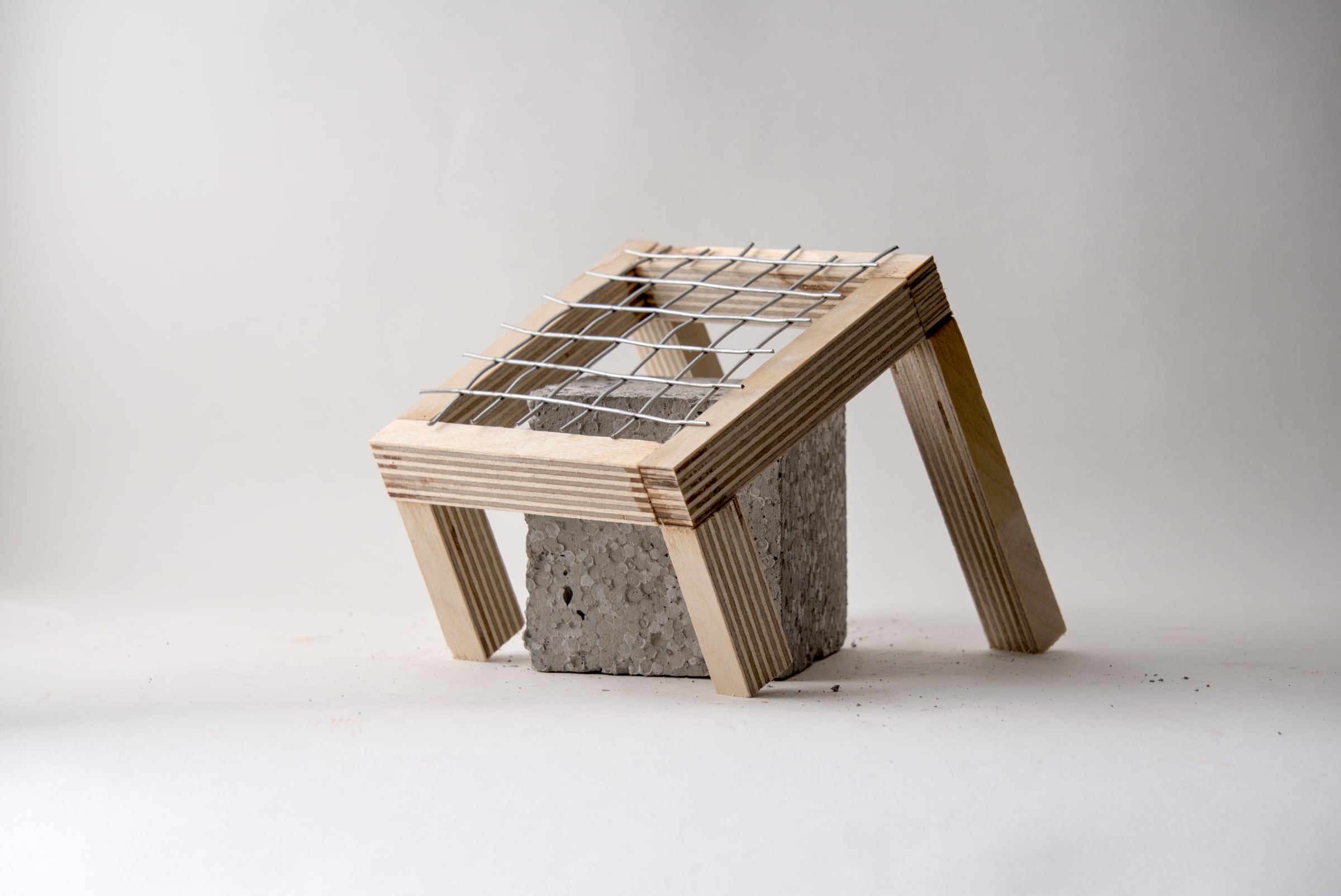
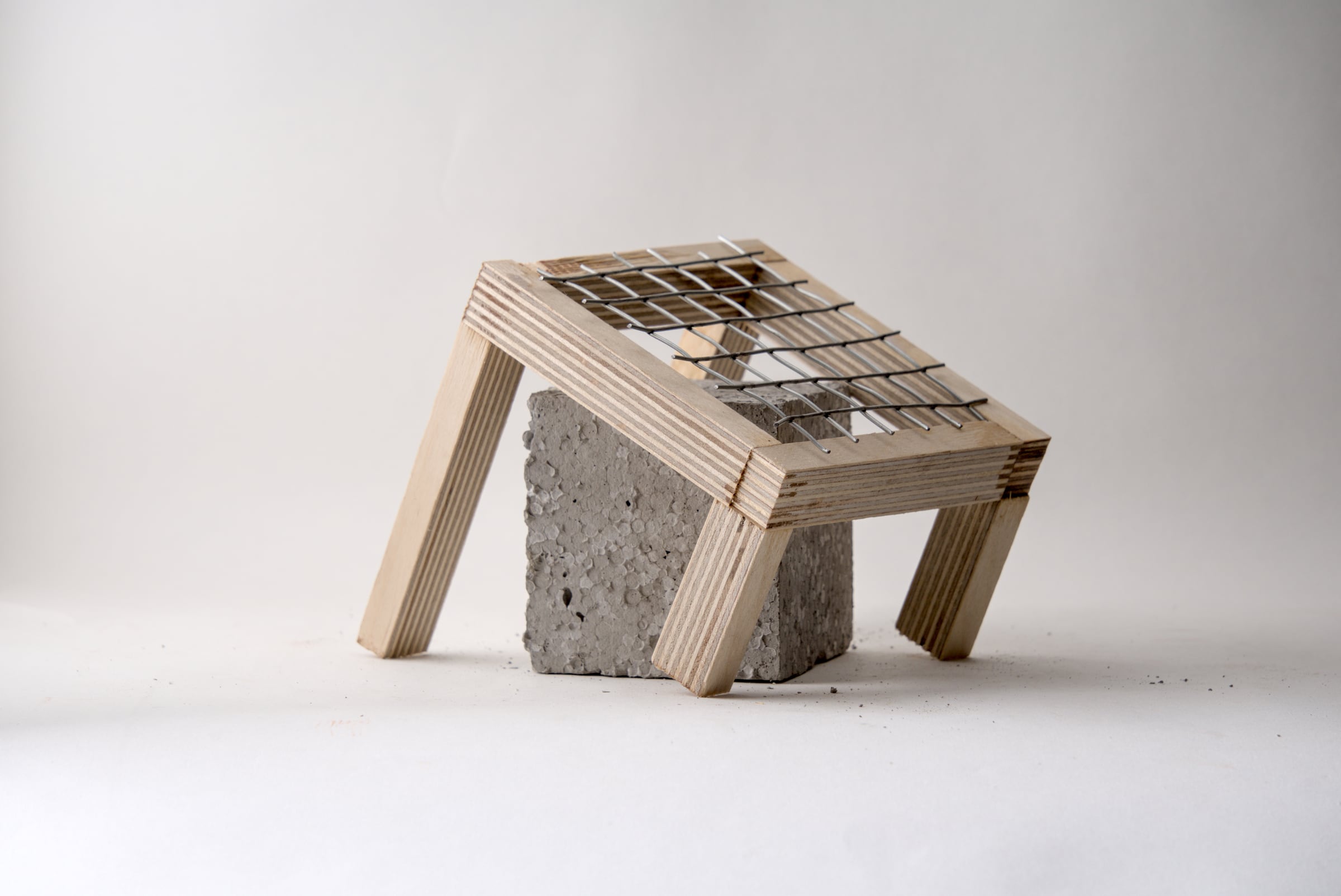
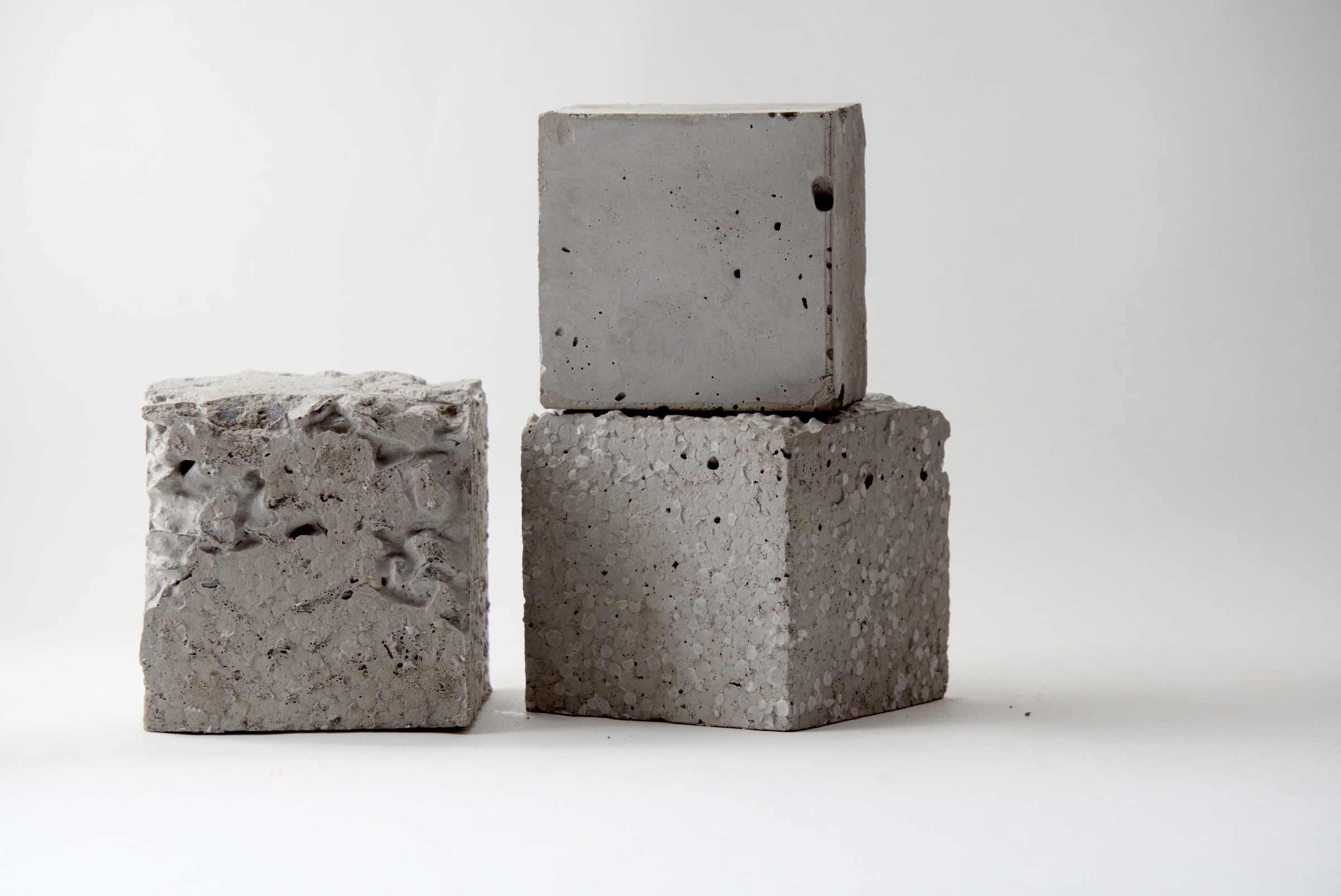
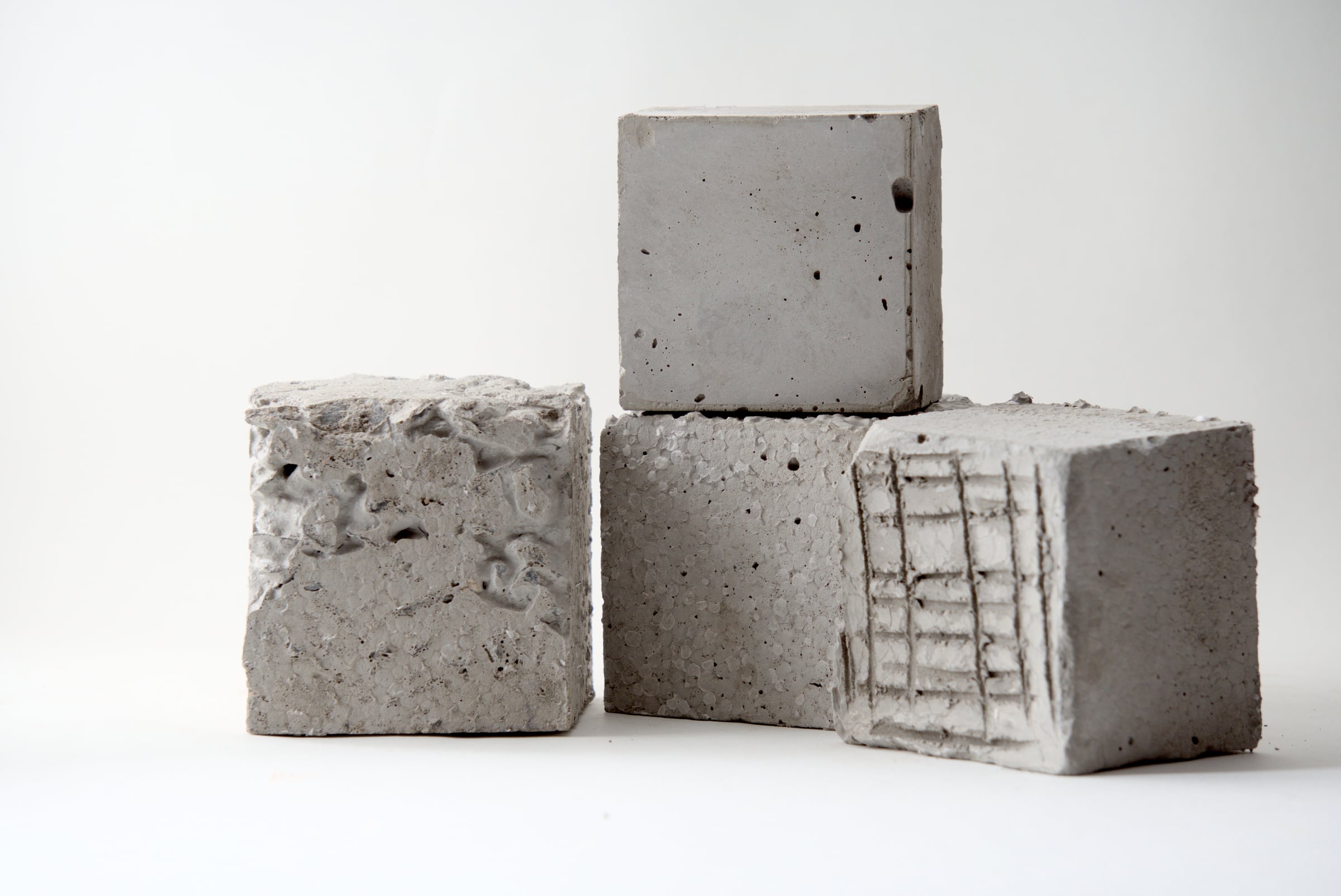
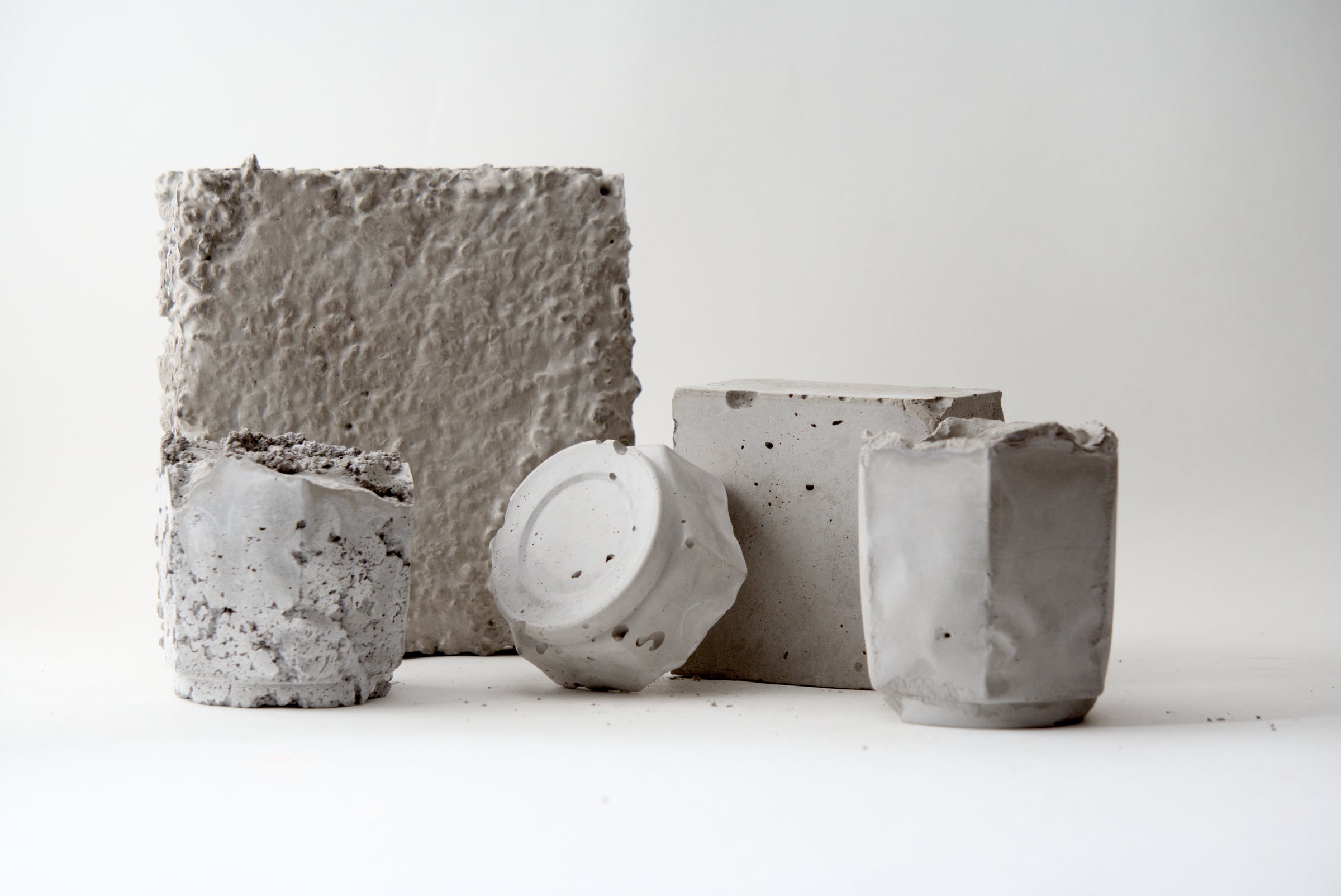
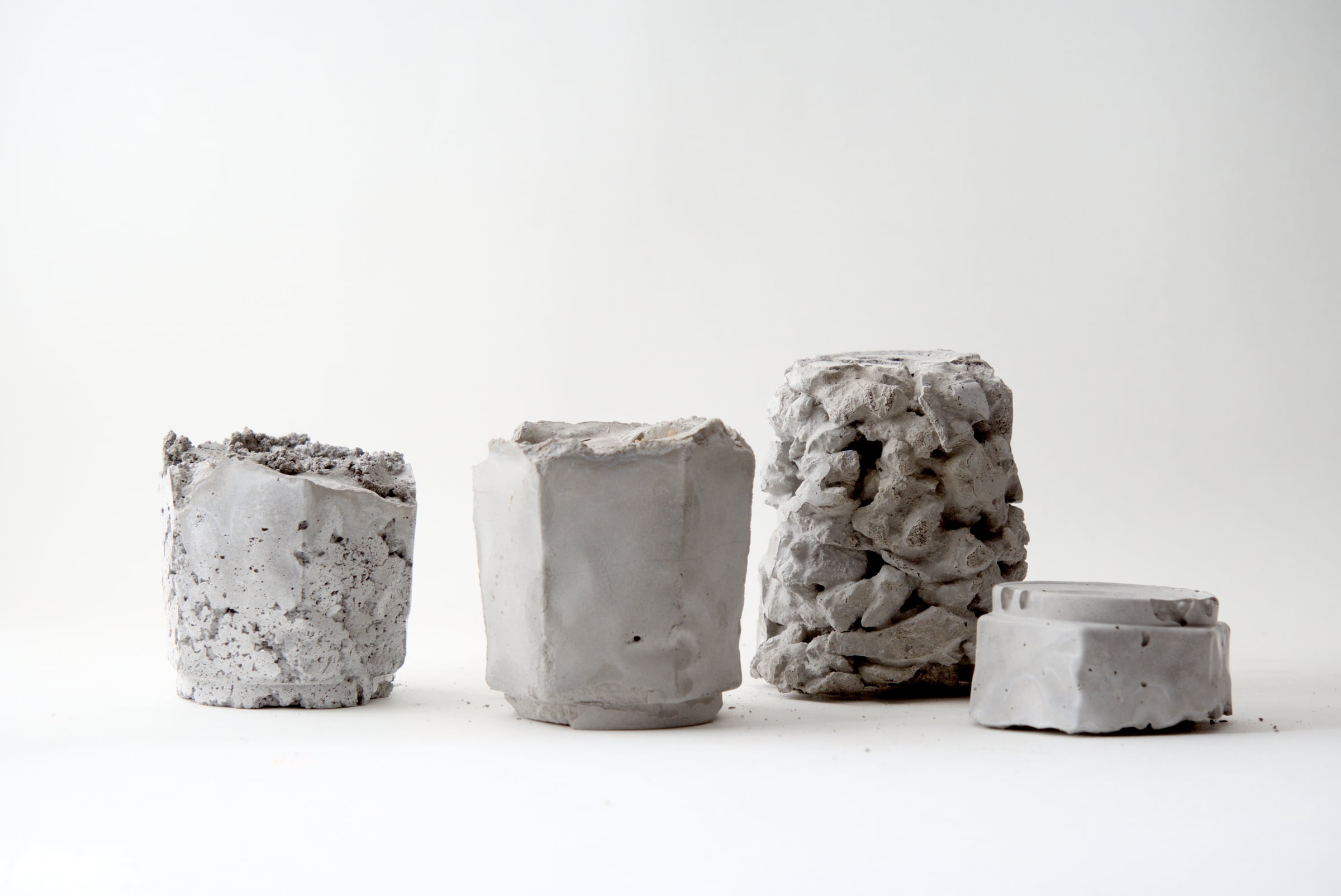
Material samples test surface, density, aggregate and reinforcement while moving from small studies toward the lamp’s cast structure.

Concrete slab, wire reinforcement and timber support study
Hand holding a small concrete cube to show scale and texture
Aggregate sample displayed beside a porous concrete test block
Timber casting frame with a reinforced concrete sample
Three concrete samples with different densities and surface finishes
Concrete material samples arranged together for comparison

Technical development

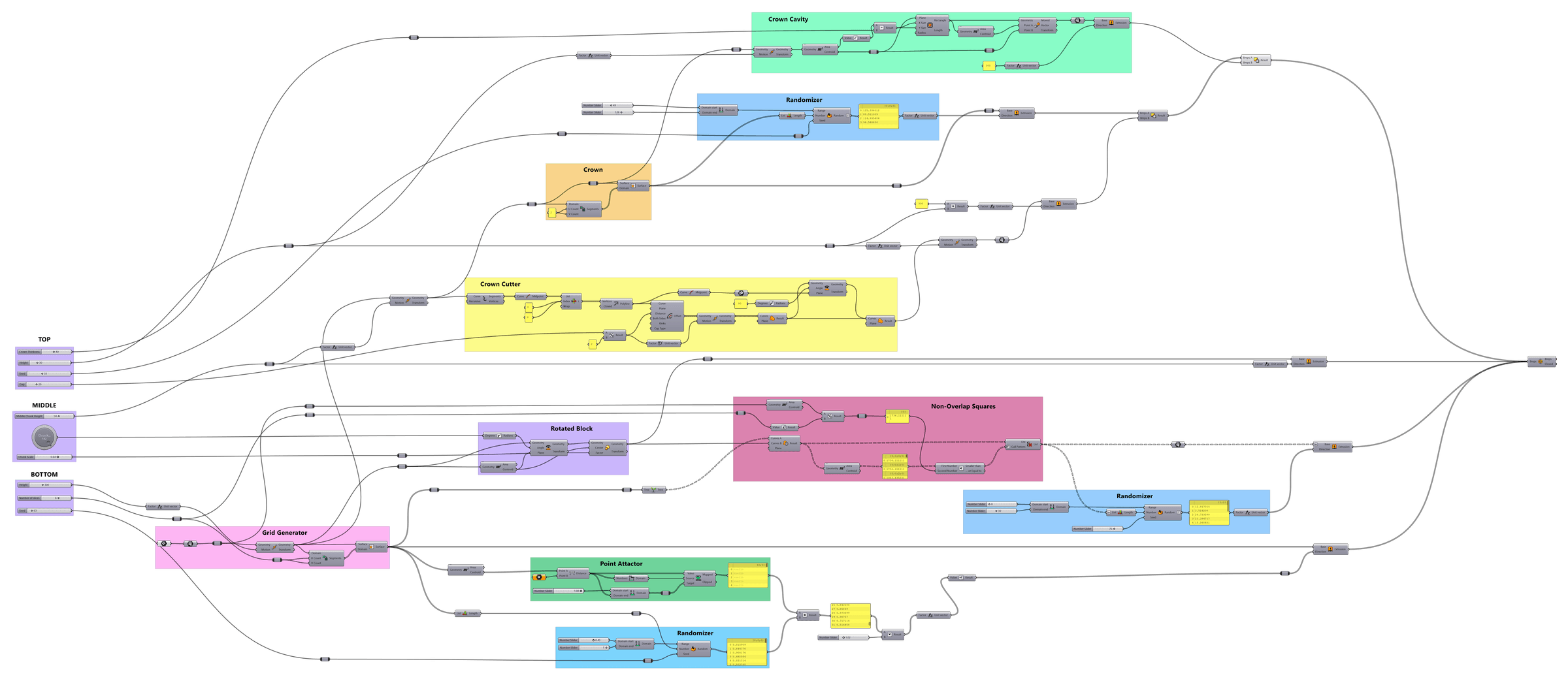
Grasshopper definition used to develop the lamp geometry
Translucent parametric lamp assembly
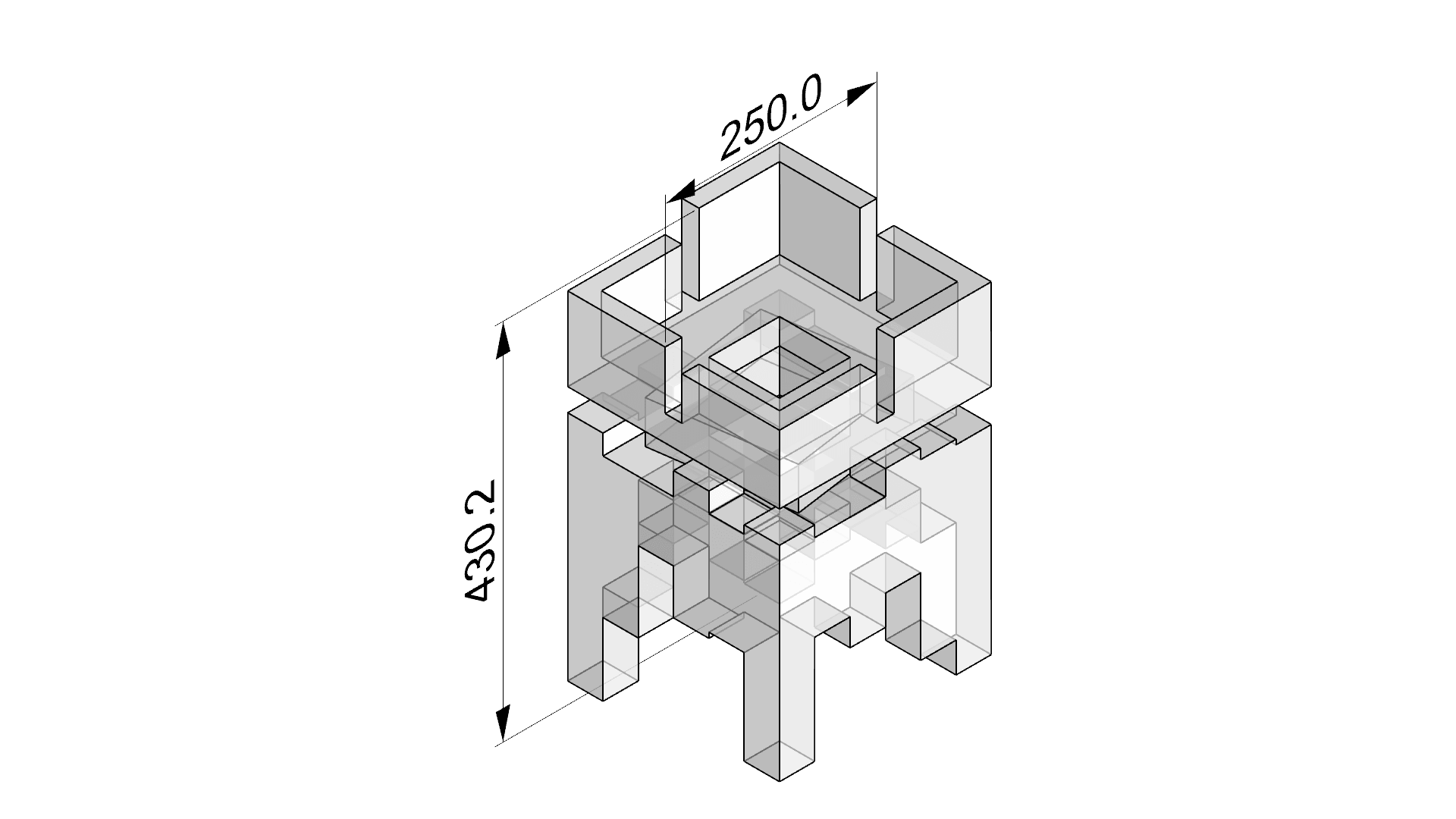
Ghosted isometric construction drawing of the lamp
Ghosted isometric drawing
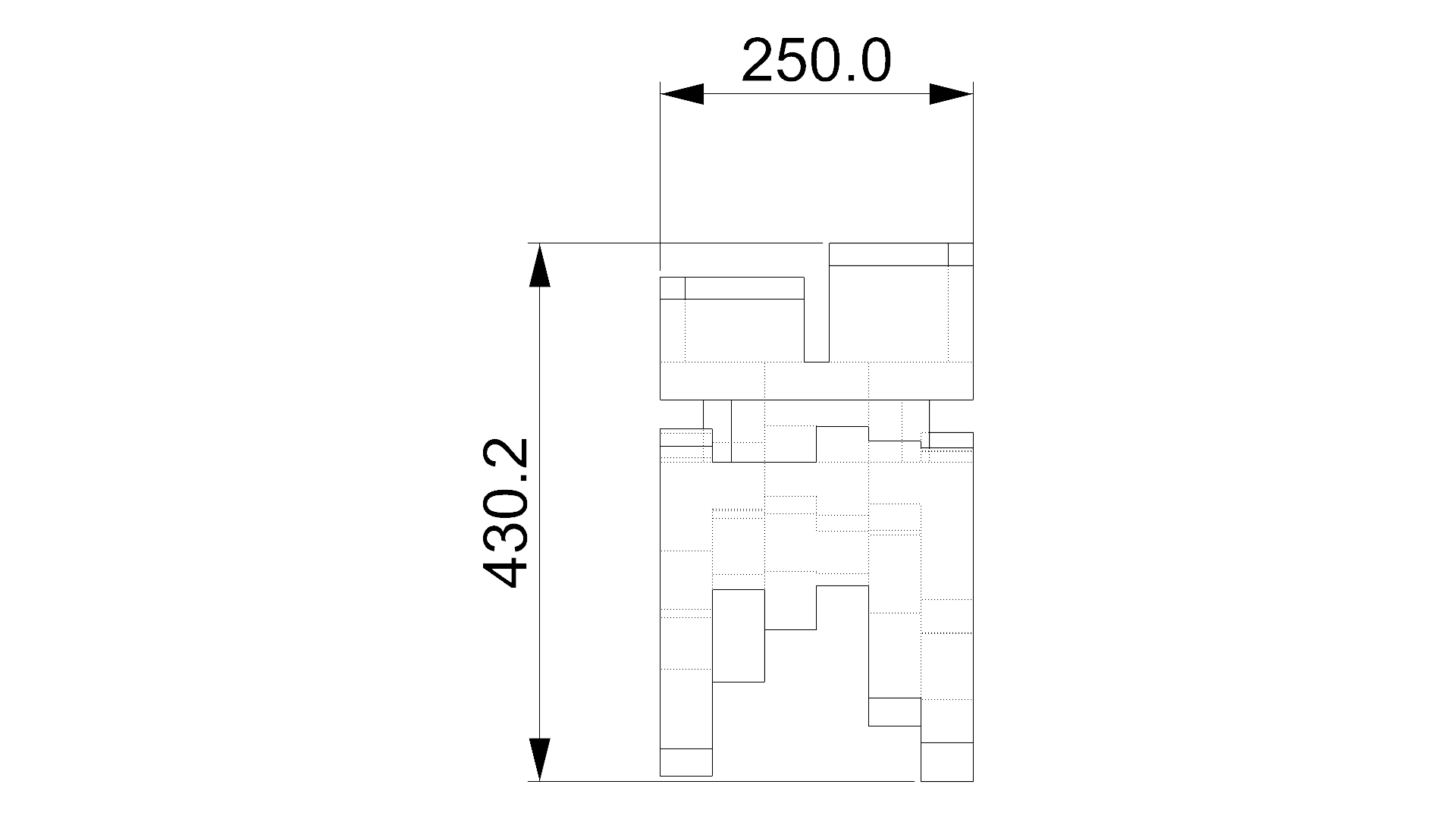
Monochrome side elevation drawing of the lamp
Side elevation study
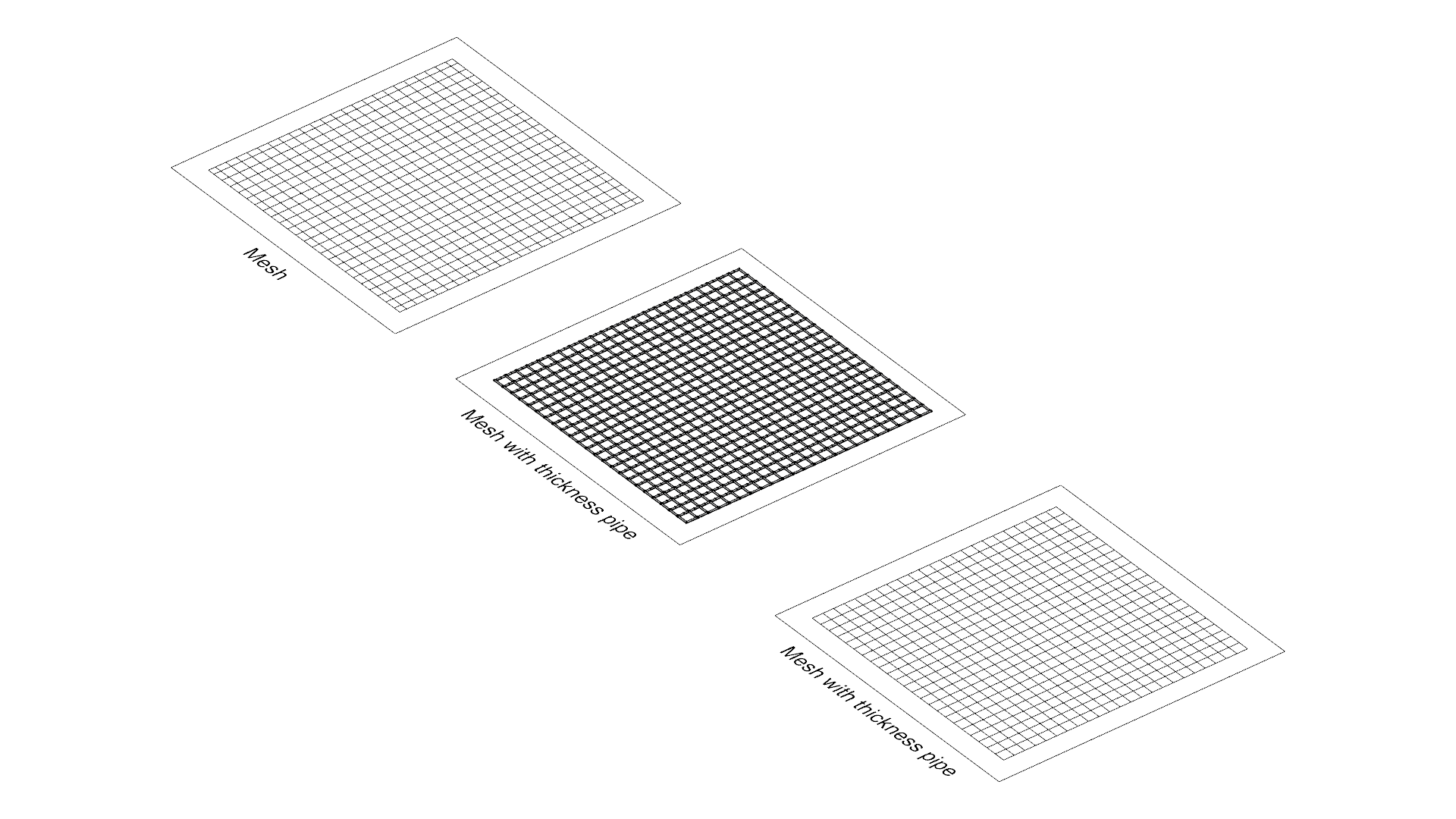
Exploded wire mesh layers for the lamp
Wire-mesh development
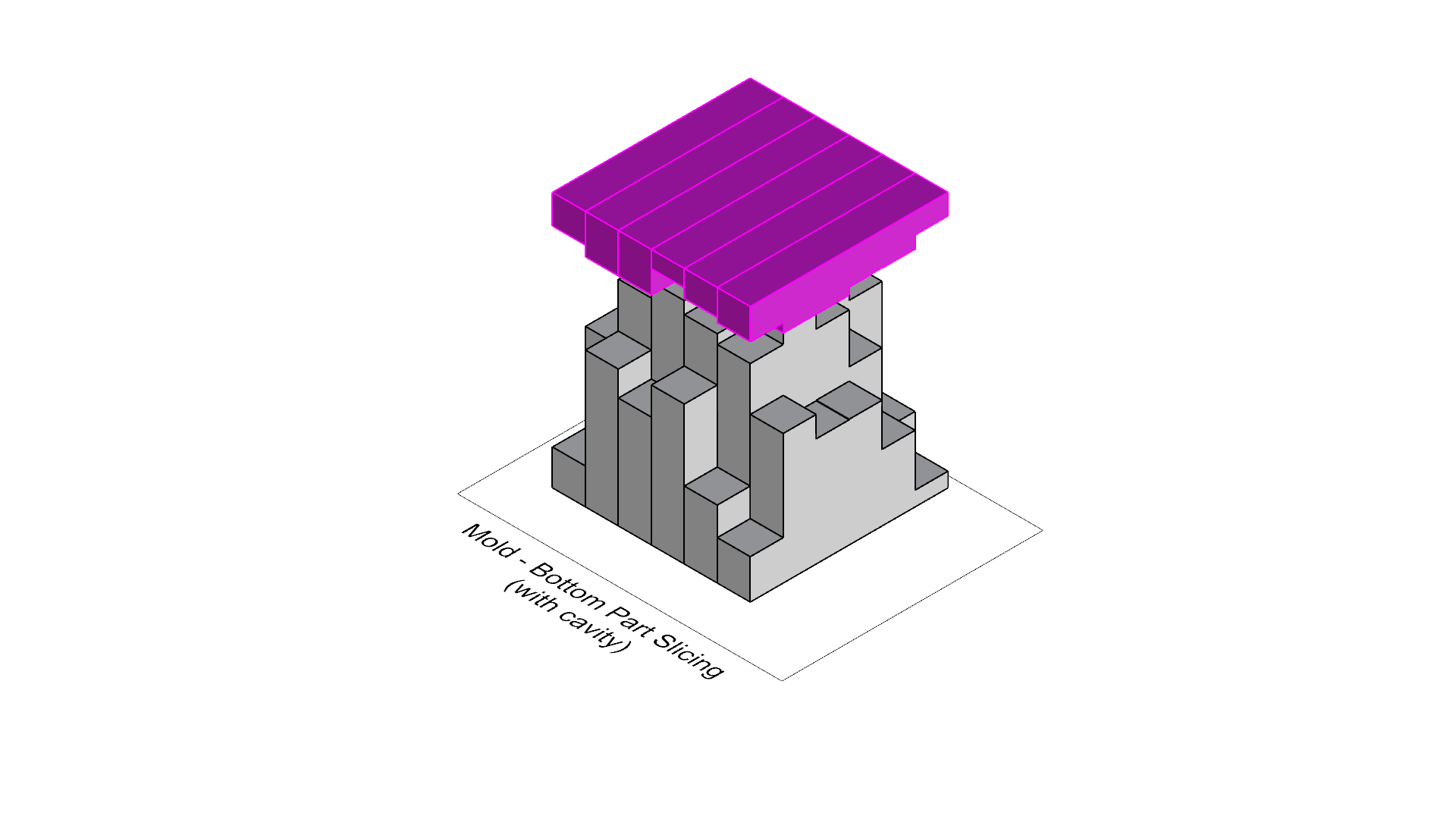
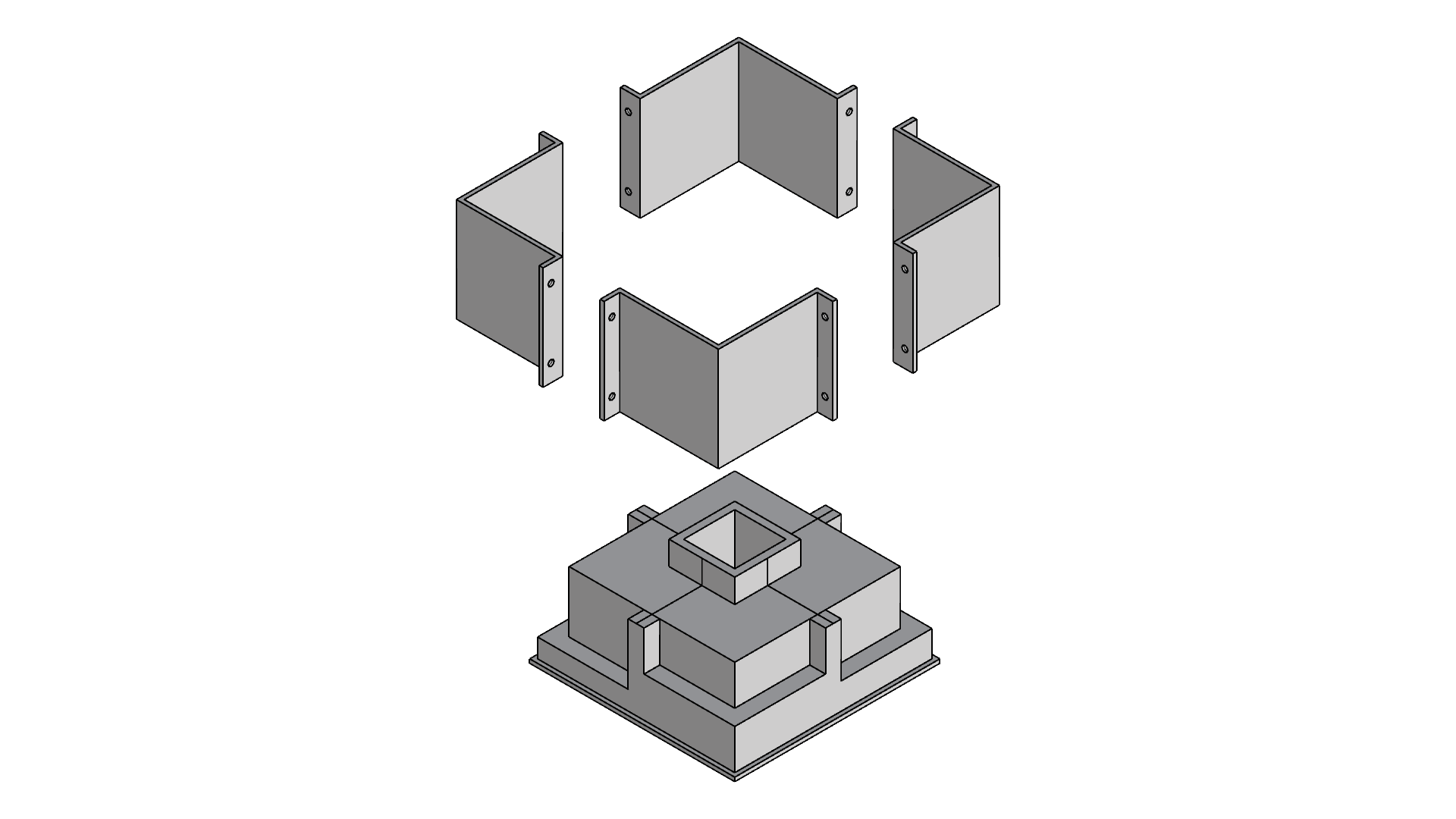
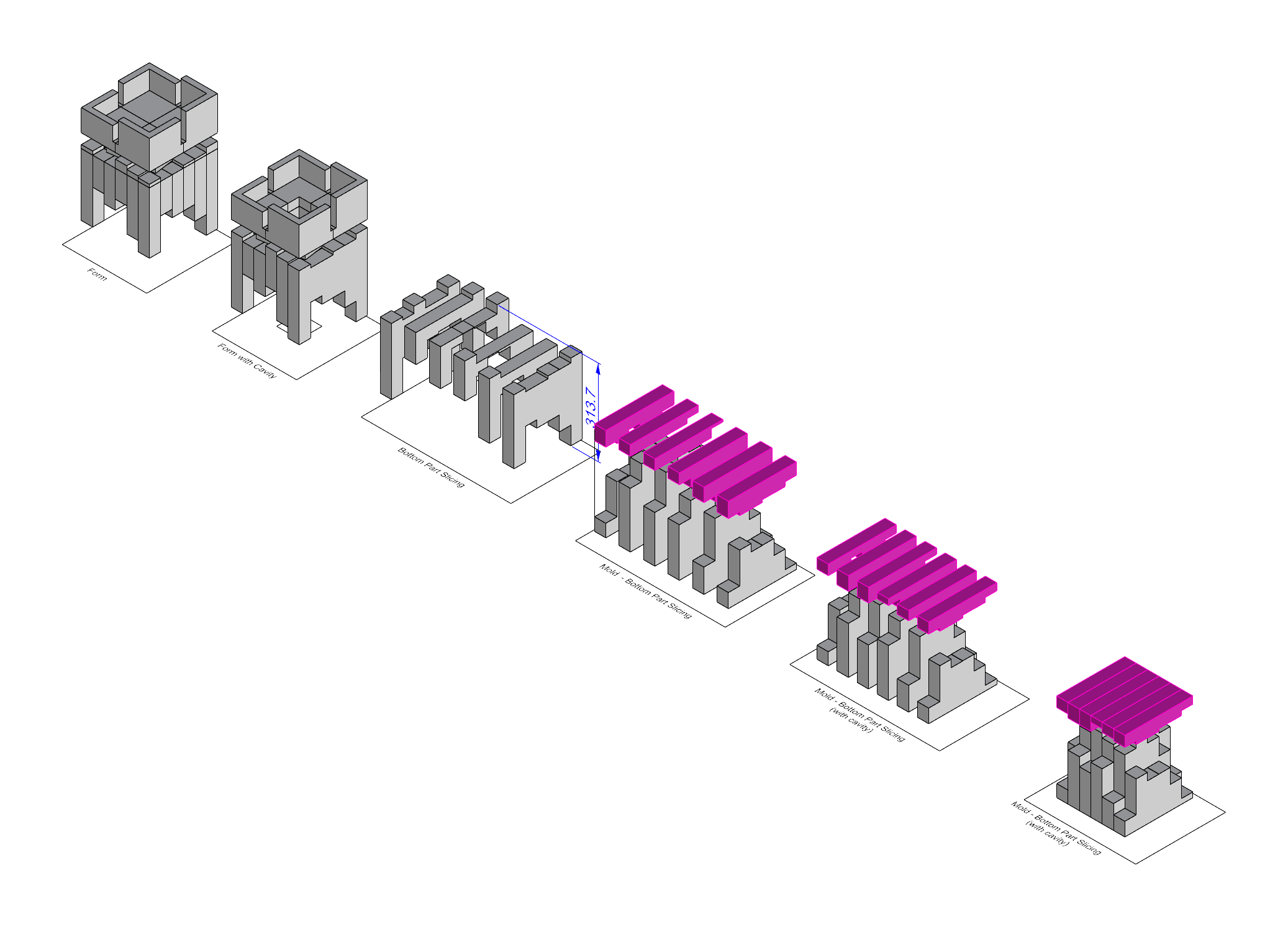
Exploded mold model for casting the lamp
Mold model
Exploded view of the 3D-printed lamp mold
3D-printed mold
Sequence showing the lamp geometry developing from modular studies into its final form

Material and light studies

Light and atmosphere study

04

Movie as an output

The movie brings the research together through moving image, narrative and sound, presenting bureaucracy as a lived and emotional experience.

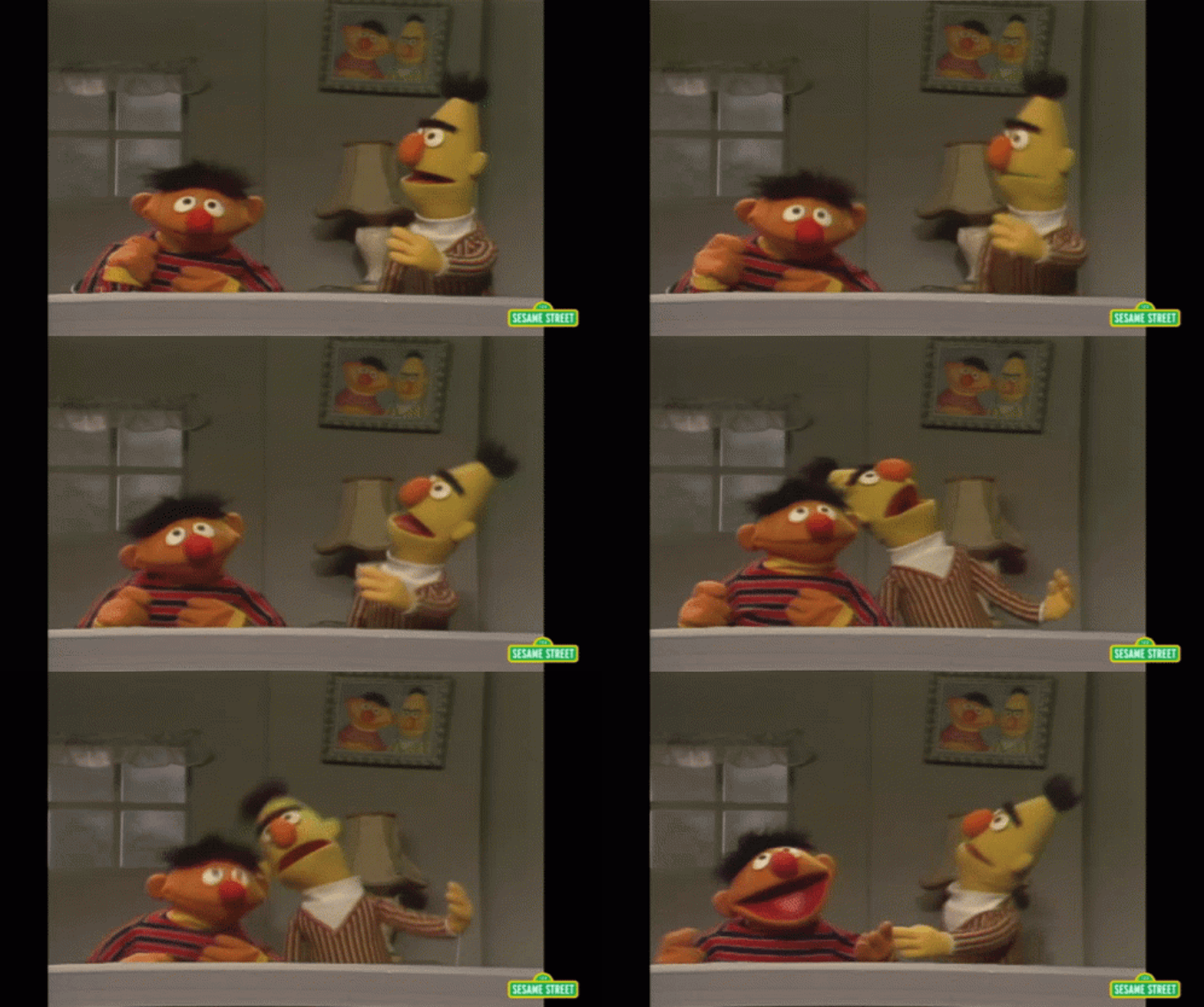
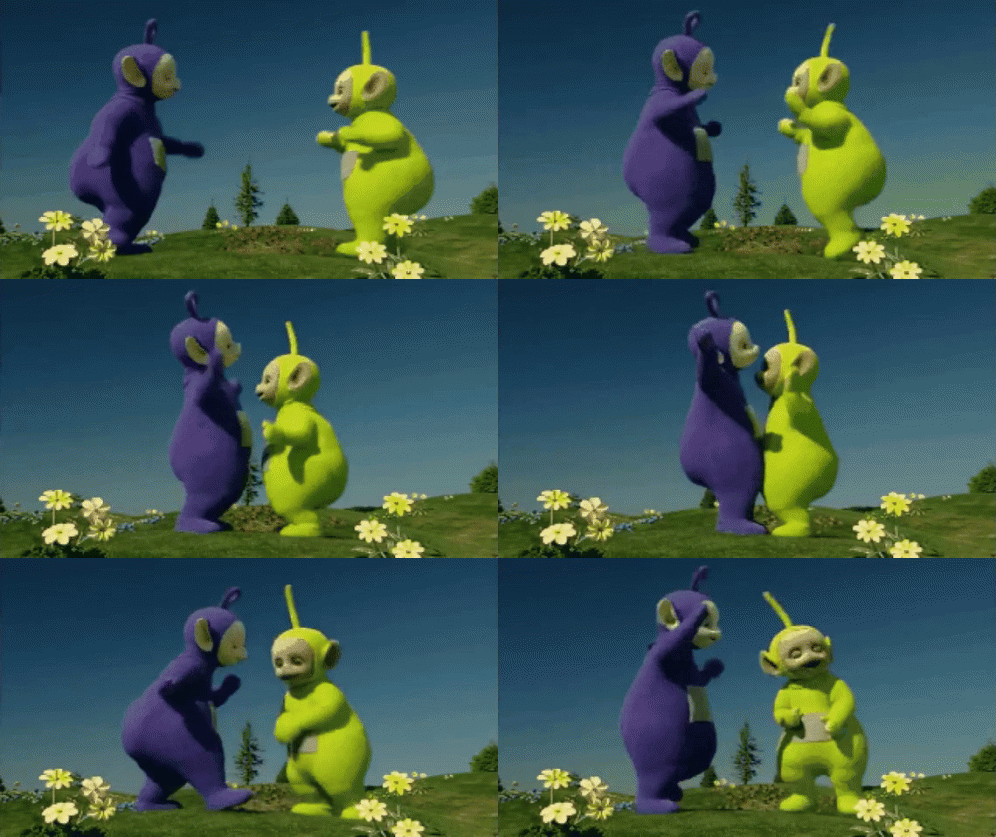
Movie inspiration

References for the film’s performance style, playful rhythm, ensemble staging and handmade visual language.

Primary film and performance reference
Bert and Ernie performing together in a Sesame Street scene
Performance, character interaction and puppet movement
Teletubbies moving together in a playful television scene
Playful staging, repetition and surreal television language
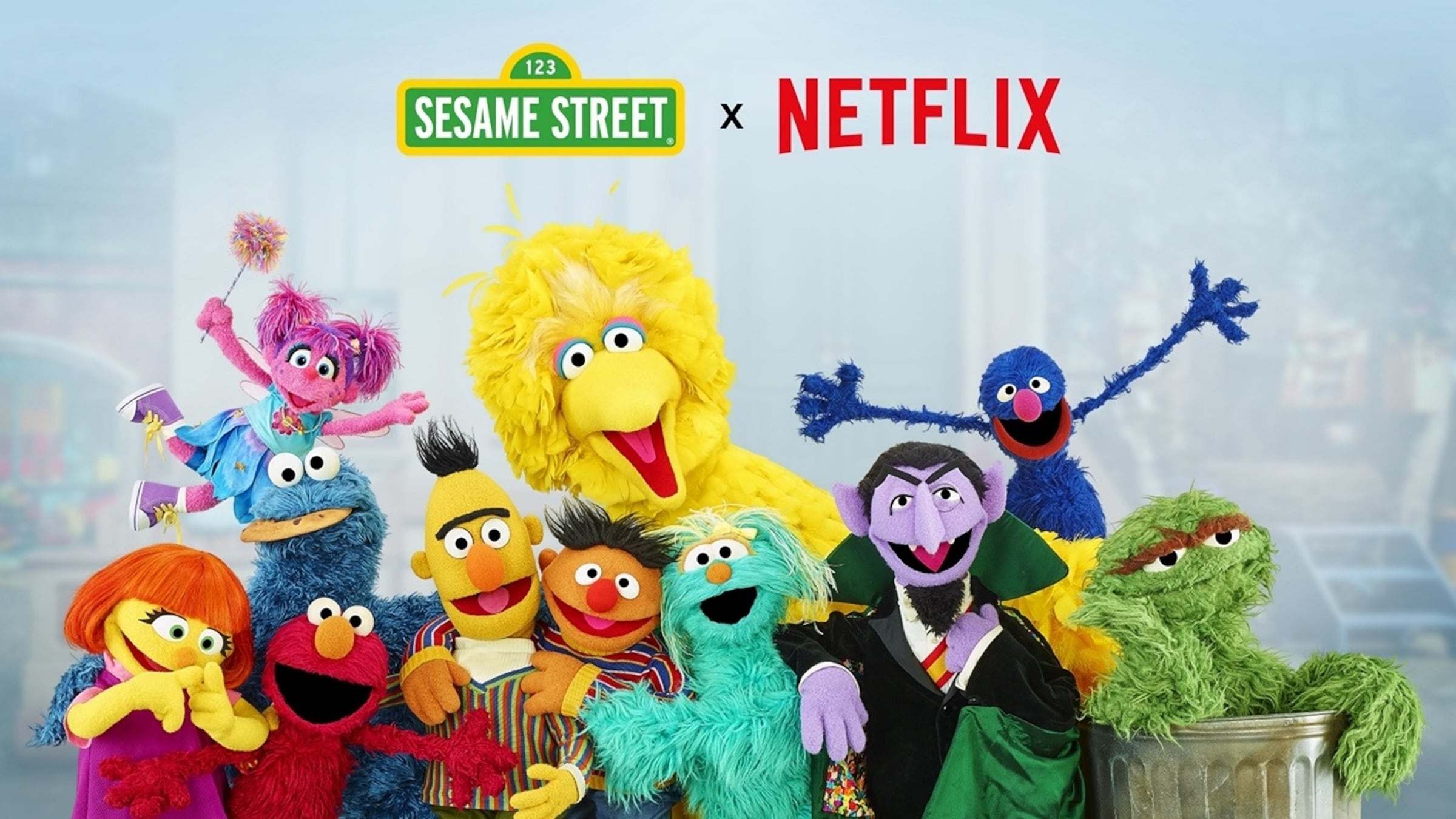
Sesame Street characters gathered together in a colourful ensemble scene
Colour, ensemble composition and handmade character language
Colourful blue sock-puppet reference with yellow yarn hair, green ears and bright felt details

Character direction

Puppet design inspiration

Oversized facial features, bright felt details and visible handmade textures informed the puppet’s friendly but slightly uncanny character.

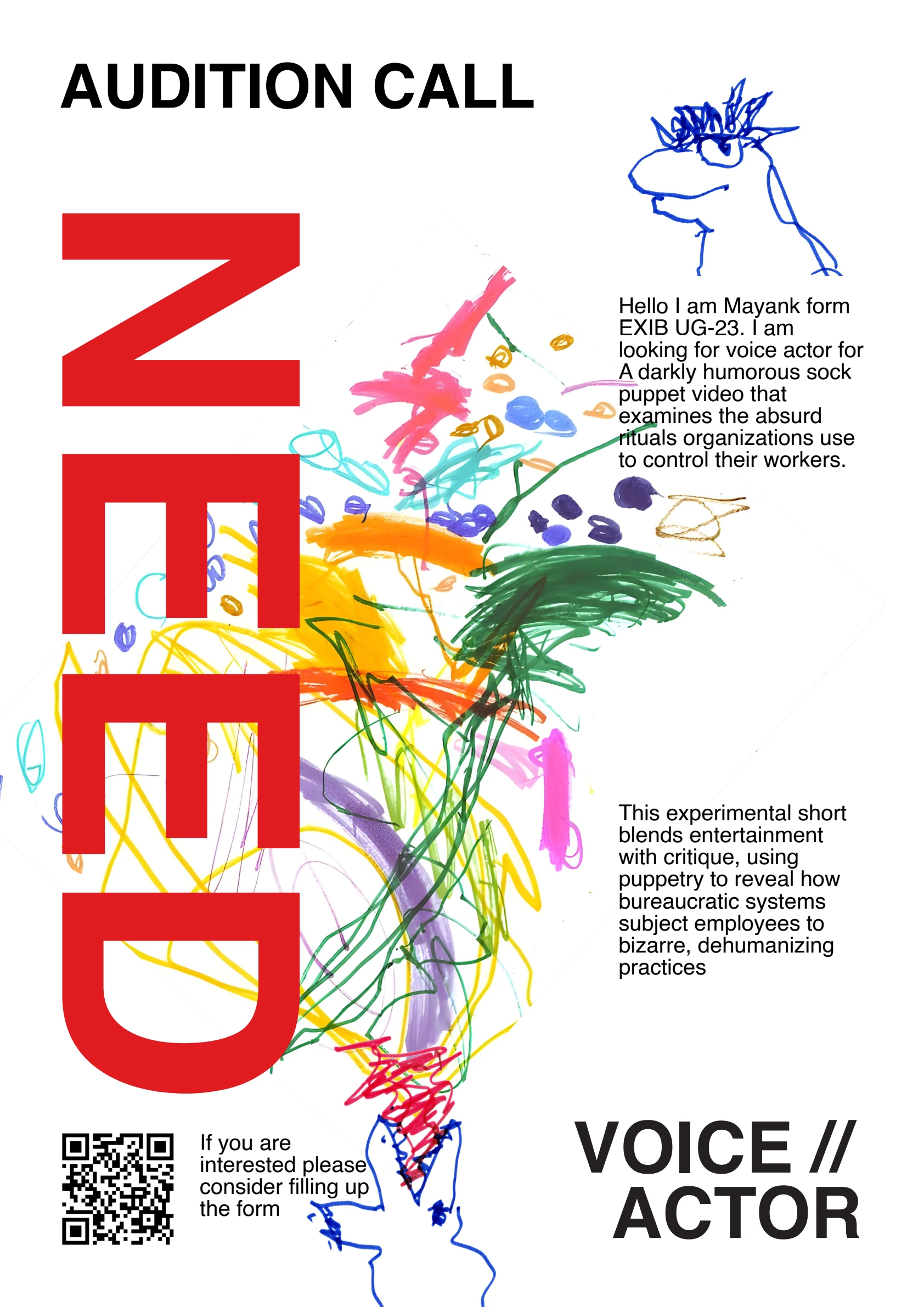
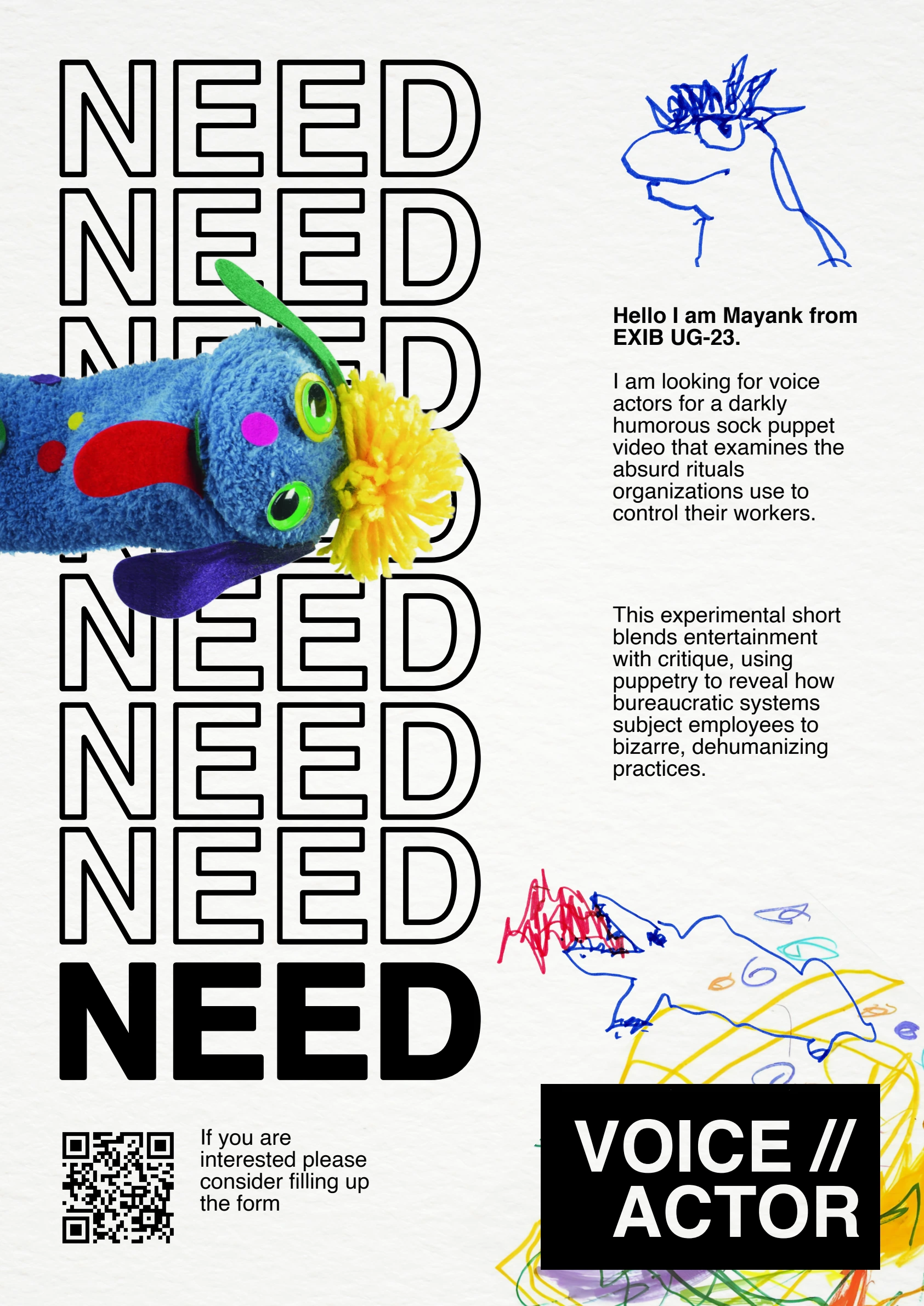
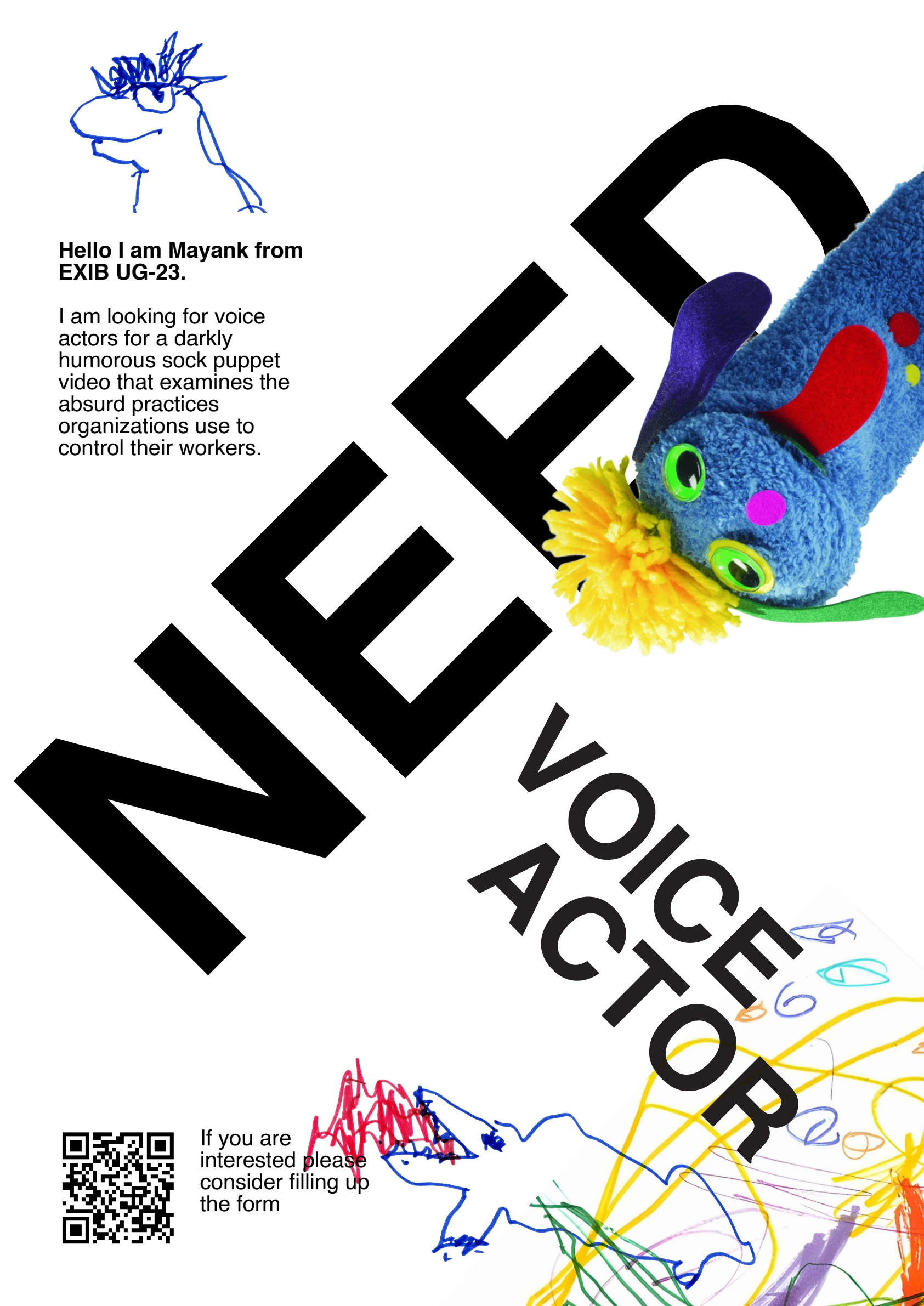
Casting-call poster design

Audition-call poster with vertical red NEED lettering and colourful drawingsVoice-actor casting poster with repeated NEED lettering and a blue sock puppetVoice-actor casting poster with diagonal NEED lettering and a blue sock puppet

Storyboard

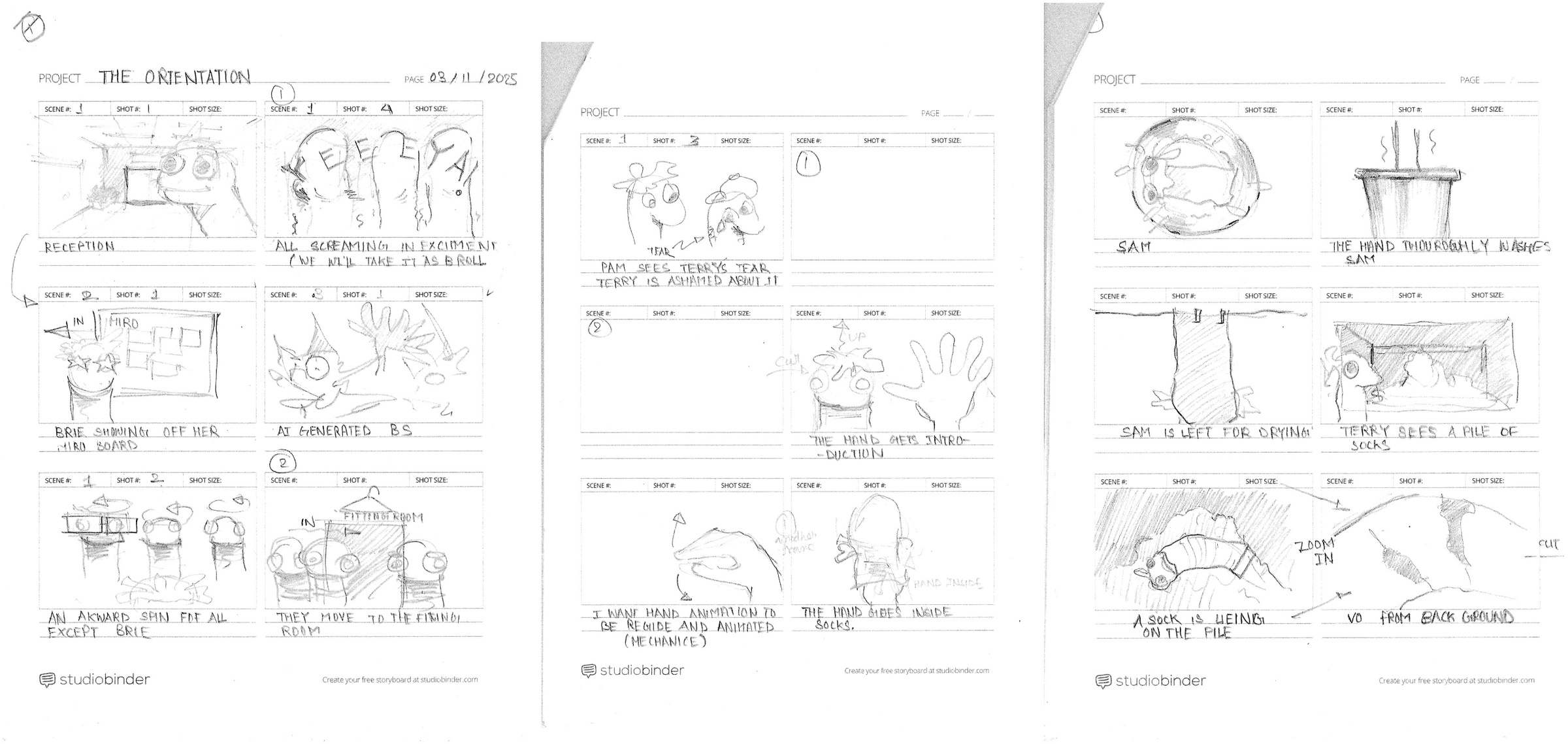
The Orientation storyboard: hand-drawn scenes, shot directions and character studies

The Orientation — scene sketches and shot directions.

Screenplay

Read The Orientation, from the opening scene to the final act.

The Orientation

01 / 11

Drag a corner, swipe, tap, or use ← →

← All projects